It’s Time to Get Serious About Impact Management




 9909
9909
 0
0

 10546
0
10546
0

 15653
1
15653
1

 10281
0
10281
0

Insights from the Global Impact Investing Network
 8743
0
8743
0
 11579
0
11579
0
 3495
0
3495
0
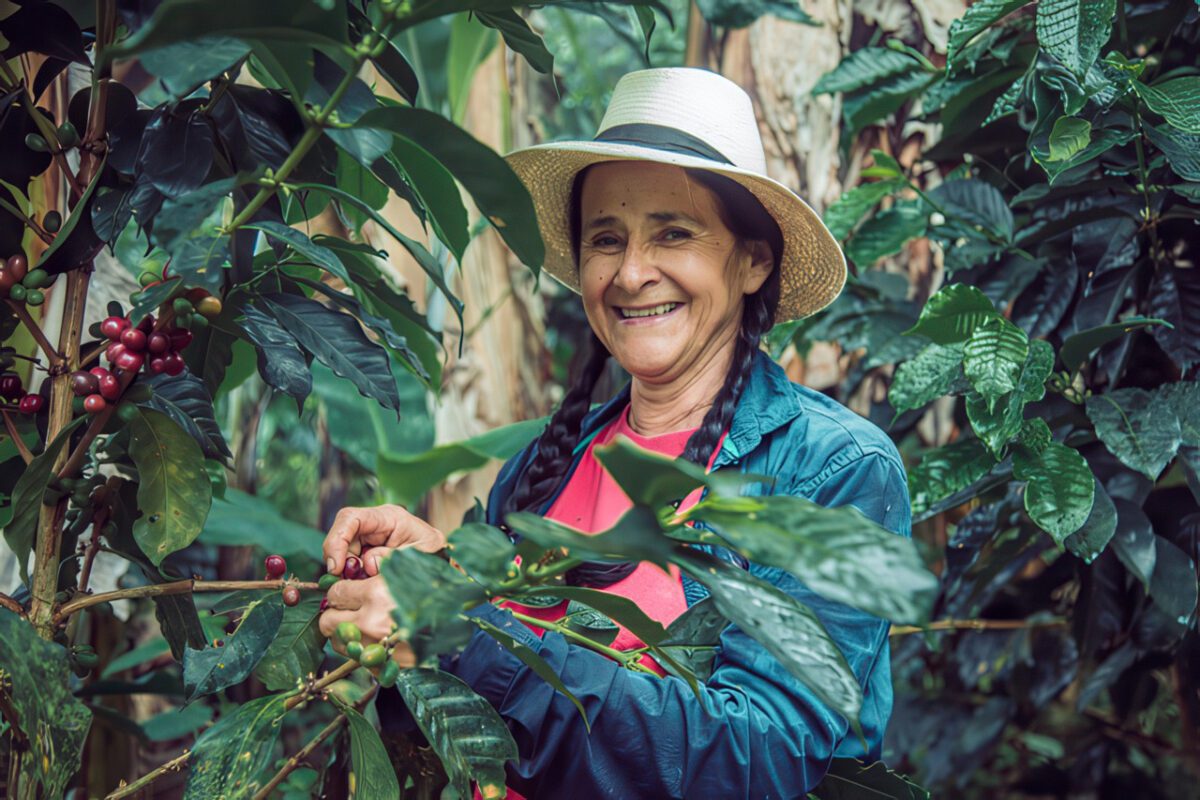
Photo Courtesy of REDCAMIF
Around the world, people most vulnerable to storms, illness, and other shocks are often those least able to afford protection. This is the central challenge of inclusive insurance: providing coverage to low-income populations on a sustainable, scalable basis. Even in high-income countries, where agricultural and health insurance are often heavily subsidized, convincing people to pay upfront for a service they hope they will never need is notoriously difficult.
Yet microinsurance is a critical tool for resilience. Medical emergencies, climate-related disasters, and other shocks are well-documented drivers of poverty. An entrepreneur may spend years repaying microloans to build a business that can be destroyed in a single day by an earthquake or flood. A sudden illness can wipe out a decade’s worth of carefully accumulated savings. These realities have inspired a wave of innovators to design new models for affordable, sustainable insurance in low-income markets worldwide.
A pioneering example comes from Green Delta in Bangladesh. Since 2011, the company has offered 11 types of coverage. In 2024 alone, it sold 100,000 policies, including index (parametric) insurance, under which farmers receive payments automatically when rainfall or temperature thresholds are breached.
To build trust and ensure rapid payouts, Green Delta employs an in-house meteorologist to monitor weather data, and it provides farmers with practical advice, such as the best times to plant. Many of its policies are distributed through partnerships with microfinance institutions or bundled with the purchase of agricultural inputs, such as pesticides.
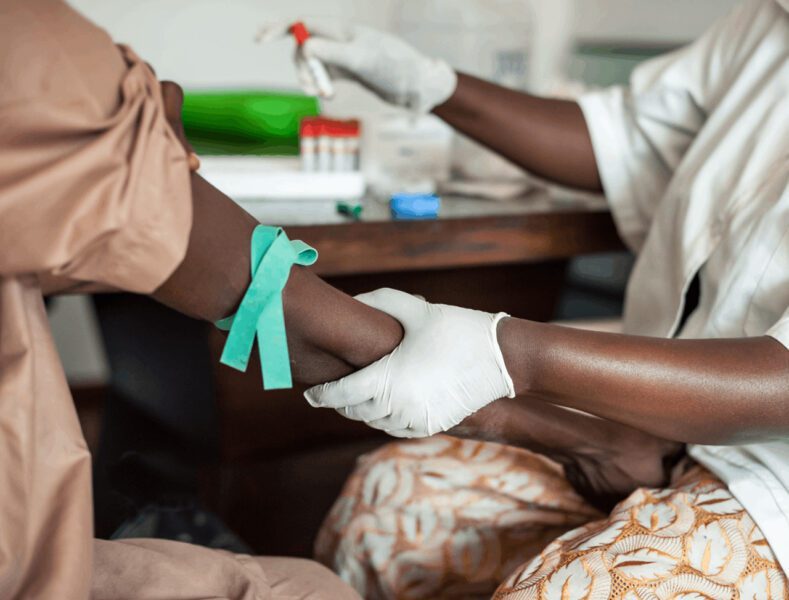 The cost of health emergencies exceeds many families' household savings; Credit, iStock
The business case is strong. In 2024, Green Delta generated the equivalent of USD 5 million in profits, after paying out USD 9 million in claims. Over the past decade, it has provided coverage to 1.7 million farmers through roughly 1,000 index insurance offerings and paid out USD 2.3 million to 390,000 beneficiaries. The company’s success demonstrates how careful product design, trust-building, and strategic partnerships can make inclusive insurance both impactful and profitable.
In Central America, the microfinance association Redcamif created SERINSA, a for-profit technical assistance provider that lowers barriers for bringing microinsurance products to market. SERINSA acts as a bridge between insurers and microlenders, helping both sides understand the market and collaborate to design better products.
Successful inclusive insurance providers share a crucial principle: they listen relentlessly to clients.
The company educates insurers on the potential of the low-income segment and on best practices in product design. It supports microbanks and cooperatives with staff training and client education, and even leases out its own insurance product management system to lower technological barriers. Today, SERINSA partners with 18 retail institutions, facilitating access to insurance services for around 200,000 clients.
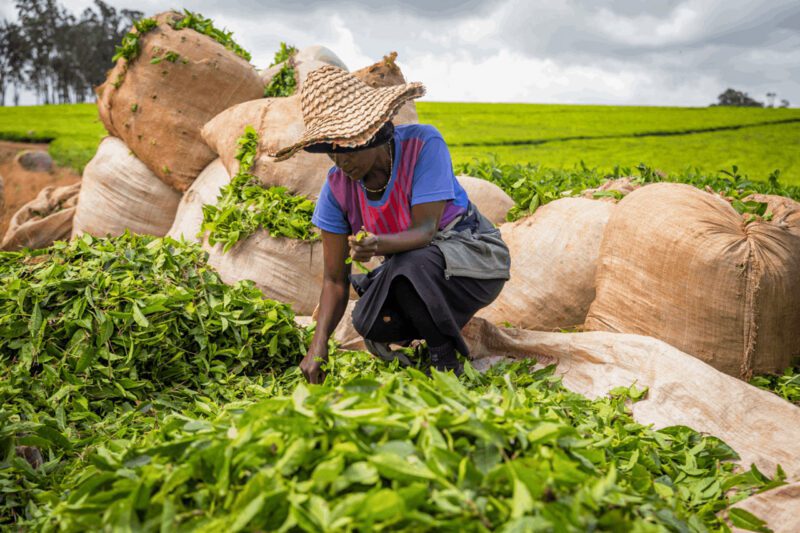 Government subsidies can increase the uptake of crop insurance significantly; Credit, iStock
The growing sophistication of inclusive insurance is reflected in the three finalists for the €100,000 European Microfinance Award 2025 (EMA2025), organized by the Luxembourg Ministry of Foreign and European Affairs, Defence, Development Cooperation and Foreign Trade (MFA), e-MFP, and InFiNe.lu.
Each of these models adapts to local contexts while leveraging technology, partnerships, and tailored product design to extend coverage sustainably.
Despite their geographic and operational differences, successful inclusive insurance providers share a crucial principle: they listen relentlessly to clients. This applies during both initial product design and post-launch refinement. Deep understanding of clients’ needs and financial realities builds trust, improves uptake, and drives renewal rates — all essential to commercial viability.
The inclusive insurance sector is maturing rapidly. Once treated largely as a development aid concern, it is increasingly recognized as a viable business model capable of both expanding access to protection and generating profits. New distribution models, digital technologies, and blended public–private approaches are enabling insurers to reach populations previously excluded from formal risk pooling.
These trends will be on full display at Inclusive Finance 25 (IF25), organized by e-MFP and taking place in Luxembourg — with online access available — from 12–14 November 2025. The microinsurance topic stream will explore distribution channels, technological innovations for scale, and client-centric design principles that are driving the sector’s growth.
Inclusive insurance is no longer a niche experiment. It is coming of age — offering a powerful blend of innovation, resilience, and profitability for communities and businesses alike.
--
Source Reference


Related Content
 8869
0
8869
0


 9791
0
9791
0

Comments

Deep Dives
RECENT
 10281
0
10281
0
 8743
0
8743
0
 11579
0
11579
0
Editor's Picks
 9909
0
9909
0
 10546
0
10546
0
 15653
1
15653
1
Webinars
News & Events
Subscribe to our newsletter to receive updates about new Magazine content and upcoming webinars, deep dives, and events.
Become a Premium Member to access the full library of webinars and deep dives, exclusive membership portal, member directory, message board, and curated live chats.

Join our global community of systems-minded changemakers.
Subscribe to the Impact Entrepreneur newsletter for the latest insights, magazine features, and invitations to exclusive webinars, Deep Dives, and events.




0 Comments