Revitalization Without Displacement in Atlanta’s Westside
How place-based capital is expanding housing stability and ownership



How place-based capital is expanding housing stability and ownership

 86
86
 0
0

How Ziggma is trying to make values-aligned investing more transparent
 145
0
145
0

Why education pilots need government adoption, not just proof
 193
0
193
0

Lessons from Atlanta’s BeltLine and Pittsburgh Yards
 619
0
619
0

Jeremy Nicholls on building an accounting system fit for the impact economy
584
0

How portfolio theory could make cultural infrastructure more investable
 608
0
608
0

 3861
0
3861
0
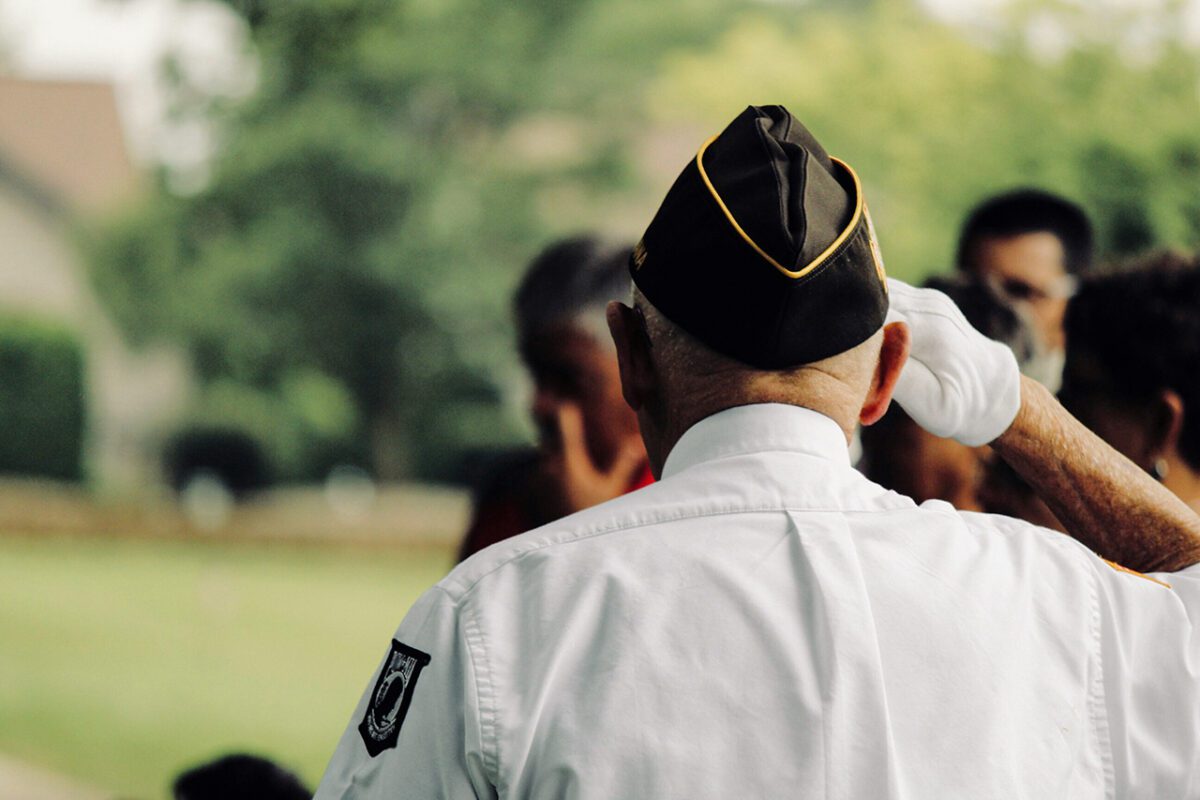
The Guardian and others have recently reported political changes at the Veterans Administration (VA) that weaken guaranteed protections against discrimination on the basis of national origin, sexual orientation, marital status, political affiliation, and other factors. While the VA has asserted that “all eligible veterans will always be welcome at VA and will always receive the benefits and services they’ve earned under the law,” and that “under no circumstances whatsoever would VA ever deny appropriate care to any eligible veterans or appropriate employment to any qualified potential employees,” these statements leave room for interpretation — particularly concerning eligibility, appropriateness, and qualification — raising concerns about the potential for both patients and staff to face discrimination.
While these developments at the VA are troubling, Ronald Steptoe, Founder and CEO of Warrior Centric Health, believes they point to a larger, long-standing challenge: the unmet needs of veterans as a vulnerable population within civilian healthcare systems. Steptoe highlights five key facts:
Warrior Centric Health (WCH) was founded to help address these challenges by enabling civilian hospitals and medical systems to implement a standard of care for the growing number of veterans and their families — who can make up 25% or more of a facility’s patient population. WCH’s Integrated Military Population Health Solution (IMPHS®) platform helps hospitals and affiliated outpatient facilities meet compliance frameworks such as the Joint Commission’s National Patient Safety Goal for Healthcare Equity and the IRS Community Benefit requirements, while also improving clinical outcomes and operational efficiency.

In a recent interview, Steptoe — an accomplished innovation leader, 8th-generation military veteran, decorated service-disabled and honorably retired Field Artillery Officer, and adjunct instructor at Rutgers Robert Wood Johnson Medical School — emphasized the strategic and public health implications of neglecting this population. Many clinicians and policymakers, he noted, are beginning to recognize that the absence of a veteran-specific standard of care creates vulnerabilities that ripple through healthcare systems, public institutions, and national security. These risks are particularly acute among state-managed National Guard and Reserve members, who make up approximately 40% of U.S. military forces.
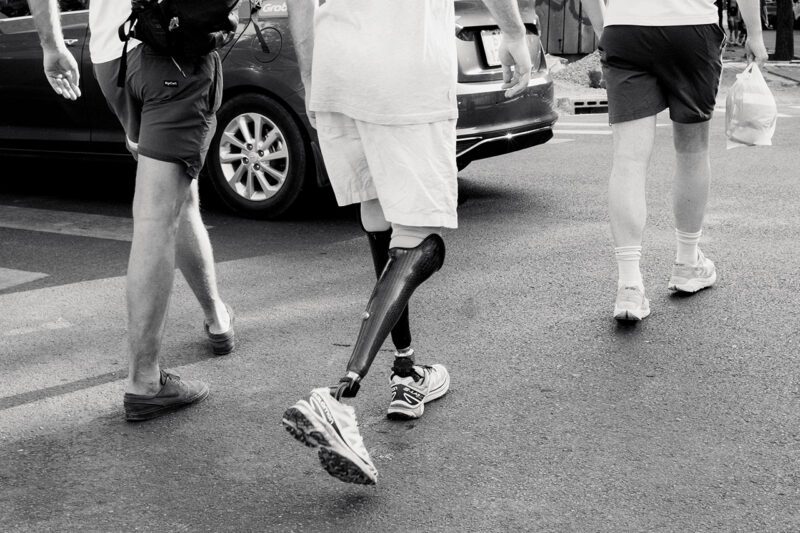
The consequences of this oversight are grave. Without a veteran-specific standard of care, patients often experience persistent chronic conditions, missed diagnoses, and — in extreme cases — premature death. The human toll is matched by financial, legal, and systemic costs that extend well beyond the individuals affected.
To address this, WCH has worked with medical and policy communities to raise awareness and promote an evidence-based, clinically validated standard of care for veterans. After years of advocacy and development, that standard is now gaining traction — most recently in Steptoe’s home state of Maryland.

In May 2025, Maryland enacted the SFC Matthew Fast Act, named for an Army veteran who died from an undiagnosed, preventable condition linked to his military service. The legislation, which takes effect in October 2025, is the first in the nation to mandate a veteran-specific standard of care in civilian healthcare settings. It requires:
“…each health care facility to screen each patient for information on whether the patient is a service member community member, include on the patient's medical record whether the patient is a service member community member, and meet certain standards … for the purpose of improving health care equity for warrior community members…”

In addition to avoiding the harms caused by inadequate care, states and healthcare organizations that implement veteran-focused protocols are already seeing benefits — ranging from improved outcomes to enhanced financial performance.
Without a veteran-specific standard of care, patients often experience persistent chronic conditions, missed diagnoses, and — in extreme cases — premature death.
Following the passage of the Maryland legislation, demand for WCH’s platform has grown — both within the U.S. and among allied nations. The company is exploring NATO-wide adoption and is in active discussion with investors about a potential Series B round to support accelerated expansion. Its partnerships with Microsoft and KPMG are helping enable rapid scale-up. WCH is also working through its foundation arm to engage medical and nursing schools, as well as continuing education providers, to train healthcare professionals in the new standard of care.
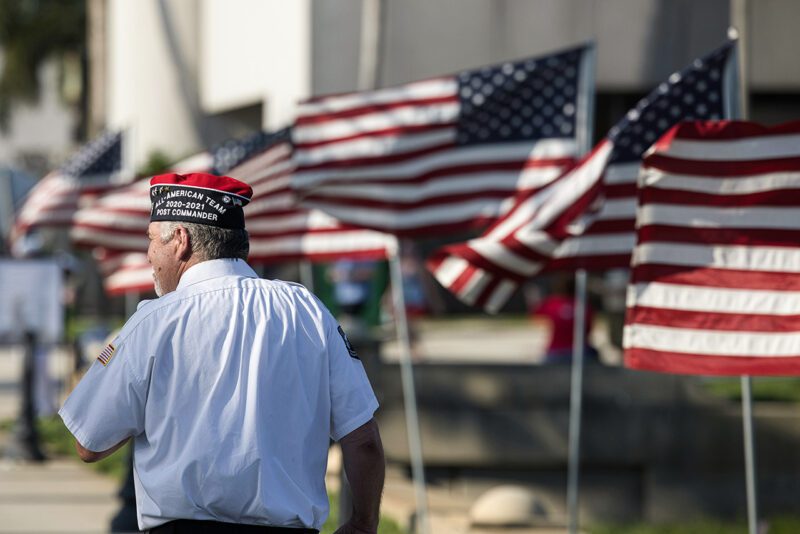
When asked about opportunities for other innovators in this space, Steptoe acknowledged the complex landscape: commercial knowledge gaps, policy volatility, and the challenge of designing solutions that meet the needs of multiple stakeholders. He also noted the long timelines typical for healthcare innovation, observing that surviving the 15–20 years it often takes to reach full commercialization is itself a major hurdle.
Still, Steptoe remains optimistic — and committed. “Veterans and their families are those rare people who voluntarily run toward danger,” he said. “They are our civilian neighbors, family members, colleagues, and friends. Serving their specific needs is an honor — and presents a rare blue sky, white space field that is ours to paint.”


Related Content
How place-based capital is expanding housing stability and ownership
86
0
How Ziggma is trying to make values-aligned investing more transparent
145
0
Why education pilots need government adoption, not just proof
193
0

What Bosnia’s rebuilding teaches us about recovery economies
 309
0
309
0
Comments

Deep Dives
RECENT
 619
0
619
0
 584
0
584
0
 608
0
608
0
Editor's Picks
 86
0
86
0
 145
0
145
0
 193
0
86
0
145
0
86
0
145
0
193
0
193
0
86
0
145
0
86
0
145
0
193
0
Webinars
News & Events



Helping founders and impact investors align
Subscribe to our newsletter to receive updates about new Magazine content and upcoming webinars, deep dives, and events.
Become a Premium Member to access the full library of webinars and deep dives, exclusive membership portal, member directory, message board, and curated live chats.

Join our global community of systems-minded changemakers.
Subscribe to the Impact Entrepreneur newsletter for the latest insights, magazine features, and invitations to exclusive webinars, Deep Dives, and events.


0 Comments