Redefining Security
An introduction to our new magazine department from the Editors



An introduction to our new magazine department from the Editors

 1748
1748
 0
0
Balancing production and preservation
 1868
0
1868
0
The metaphysics, the machine, and the future of the Impact Economy
 2065
0
2065
0

How AI’s physical footprint is testing its climate promise
 644
0
644
0
What Colombia’s ex-FARC cooperatives reveal about reintegration
 425
0
425
0

What EOTs reveal about trust, transparency, and long-term value creation
 669
0
669
0
Upcoming Events

 16847
0
16847
0

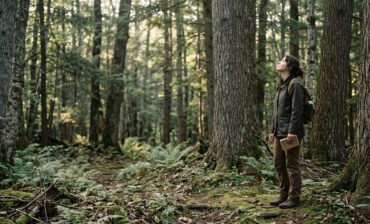
Ideally, the investments we make grow, and generally they do, albeit with some ups and downs. Climate observers see this pattern reflected in the Keeling Curve, which shows carbon levels rise during winter as plants die and decrease during summer as plants grow, absorbing carbon dioxide through photosynthesis. A biomimic might suggest that we consider aligning our economic wellbeing to the flows of nature; as one might say, nature has the final say. Measurement of CO2 is evidence of biomimicry: our sensors comparable to robotic leafless trees that eat no carbon, produce no oxygen, and require no water. Sir Herbert Read, an English poet and founder of the Institute of Contemporary Arts, suggests that, “Only a people serving an apprenticeship to nature can be trusted with machines”. We heed the call and we seek possibilities, somewhere between the sensors and the trees.
In Vancouver, a team at Cascadia Carbon is applying these principles to cryptocurrency based on the growth of trees. The Carbon Offset Decentralized Exchange (CODEX) uses stablecoin, a type of cryptocurrency with its value tied to a real asset. CODEX tokenizes trees using a “NFTree token protocol,” with their growth and carbon sequestration added to the blockchain as “$CODEX tokens,” where each kilogram of carbon removed creates another token. Carbon sequestration potential is estimated by species of tree and particular identifiers such as diameter and growing conditions.
CODEX tokenizes trees using a “NFTree token protocol,” with their growth and carbon sequestration added to the blockchain as “$CODEX tokens,” where each kilogram of carbon removed creates another token.
Cascadia’s founder, Alex Wick, estimates that an average individual’s lifetime carbon footprint is equivalent to the carbon drawdown of 100 - 500 trees over that time (of course, there is variability). Whereas other cryptocurrencies like Bitcoin are not based in real assets, and generate significant emissions through their energy requirements, Cascadia’s NFTree tokens are based on carbon drawdown through tree photosynthesis. In the future, Cascadia hopes to extend the exchange to include more novel carbon removal efforts like Direct Air Capture from companies like Carbon Engineering, also based in British Columbia. Their near-term product is also coded to enable token generation through zero-emissions activities like commuting by bicycle or driving an electric car. Although unconventional, there is precedent for this approach — renewable energy credits are a common type of carbon offset, but generally they apply at institution-scale, such as solar or wind farms. The novel aspect of this approach is how much the bar is lowered for participation in generating emissions offsets, enabling widespread decentralization of climate action and incentivizing young urban environmentalists to become engaged climate actors.
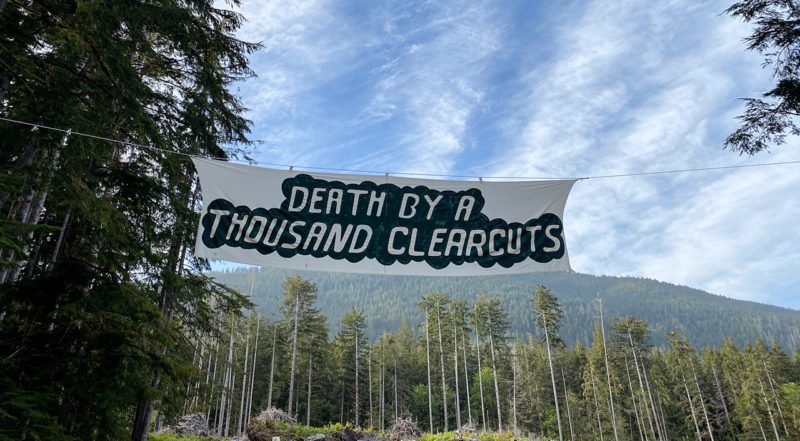
Whether trees are planted as seedlings or saplings, or are mature, they will continue to generate NFTrees for their owners or stewards (an emerging terminology in the land management space). Investments in trees extend beyond the bank account: trees have numerous co-benefits, such as air purification, oxygenation, wildlife habitat, and localized cooling. If the price of carbon dioxide rises, the value of the tokens will rise as well.
In order to integrate with global carbon markets, atmospheric carbon dioxide removal projects strive to address permanence of the removed carbon. With trees, forest fires and invasive insects are top concerns for so-called “permanence” of stored carbon, and more direct human actions such as logging and land development. These risk factors are built in the Exchange architecture, including the ability for tokens to “burn” in their initial smart contacts. There is always inherent risk, and as a member of the forestry community of the Pacific Northwest, Cascadia is positioned to use the best available knowledge into this biomimetic currency,
The novel aspect of this approach is how much the bar is lowered for participation in generating emissions offsets, enabling widespread decentralization of climate action and incentivizing young urban environmentalists to become engaged climate actors.


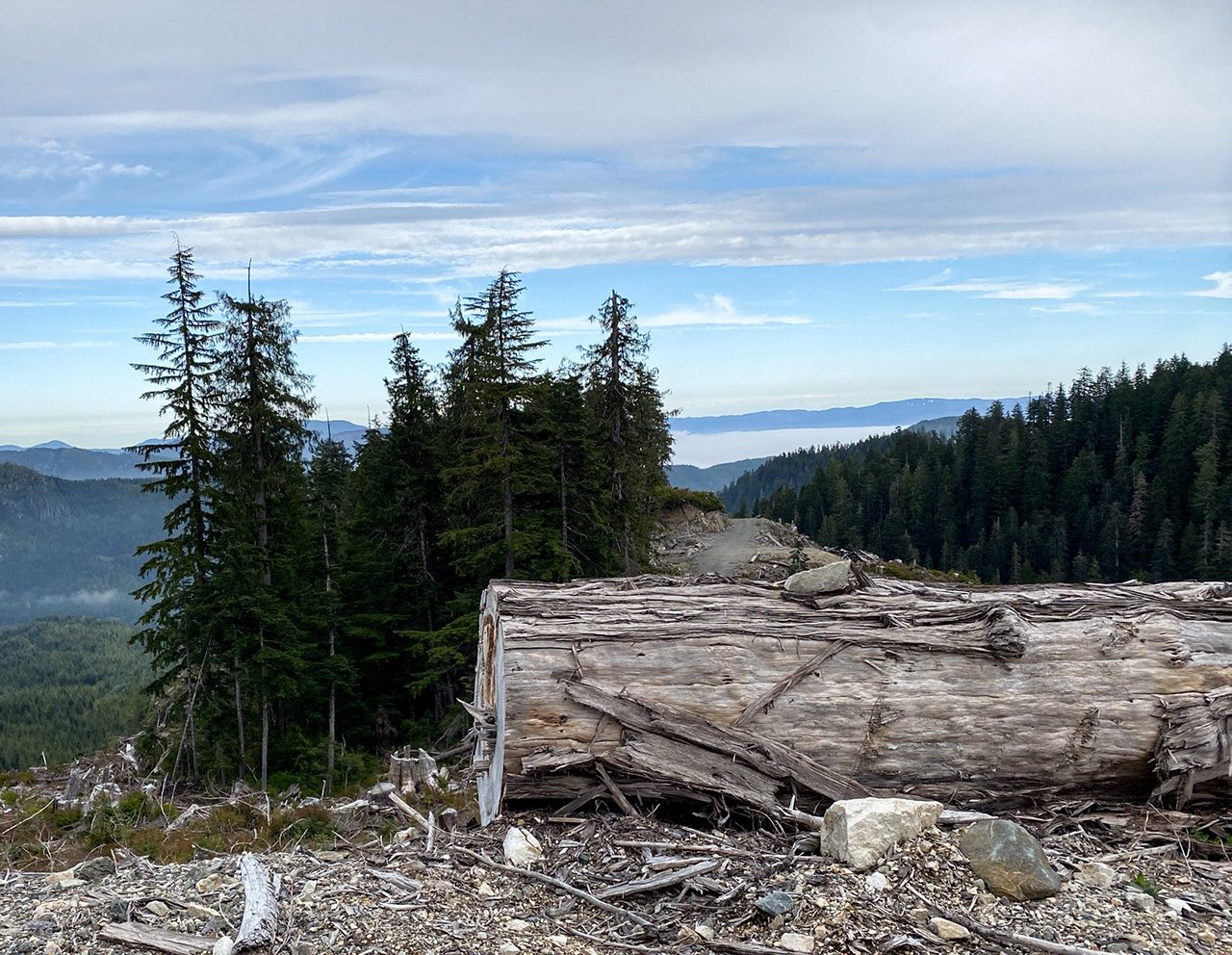
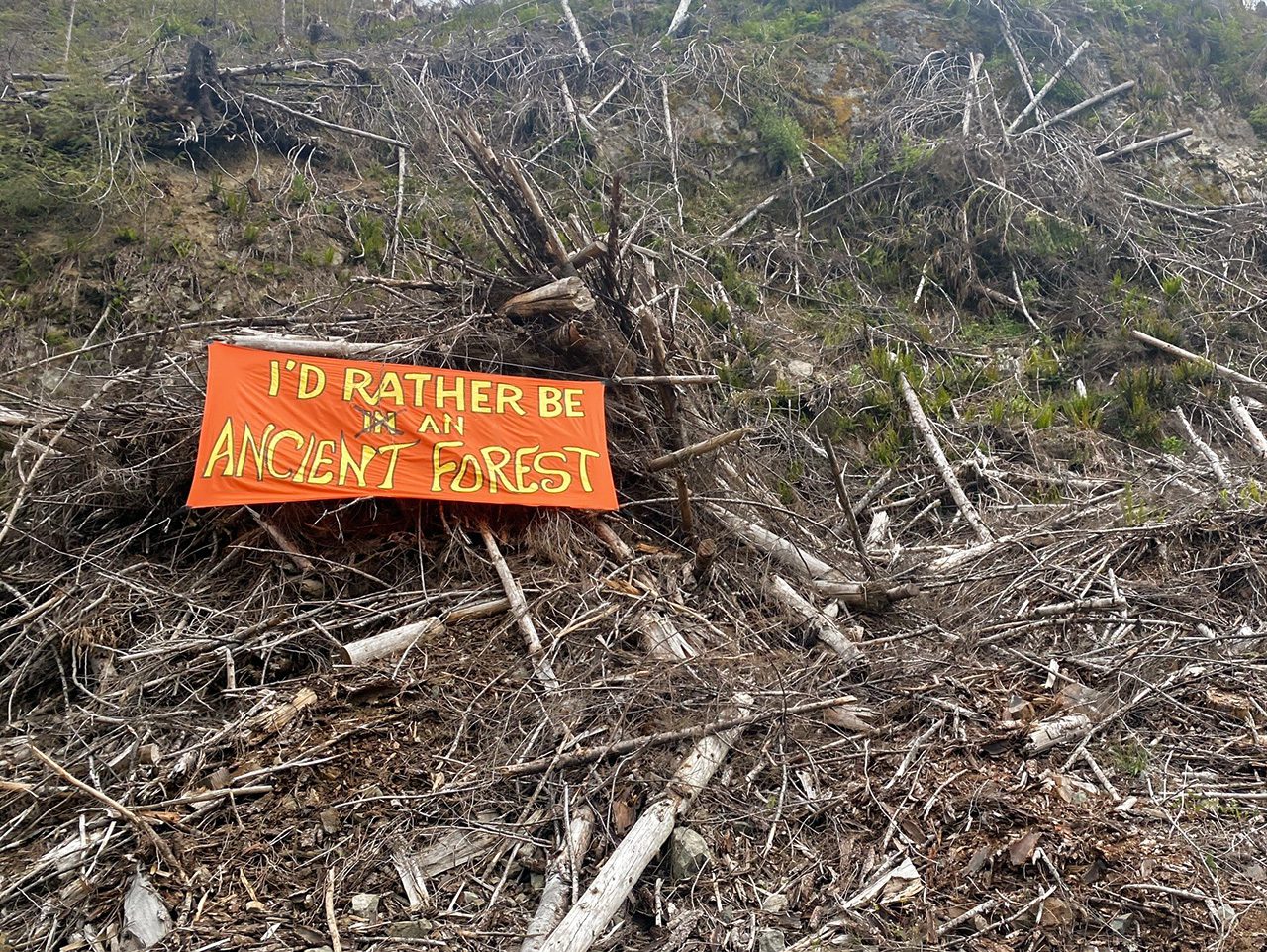
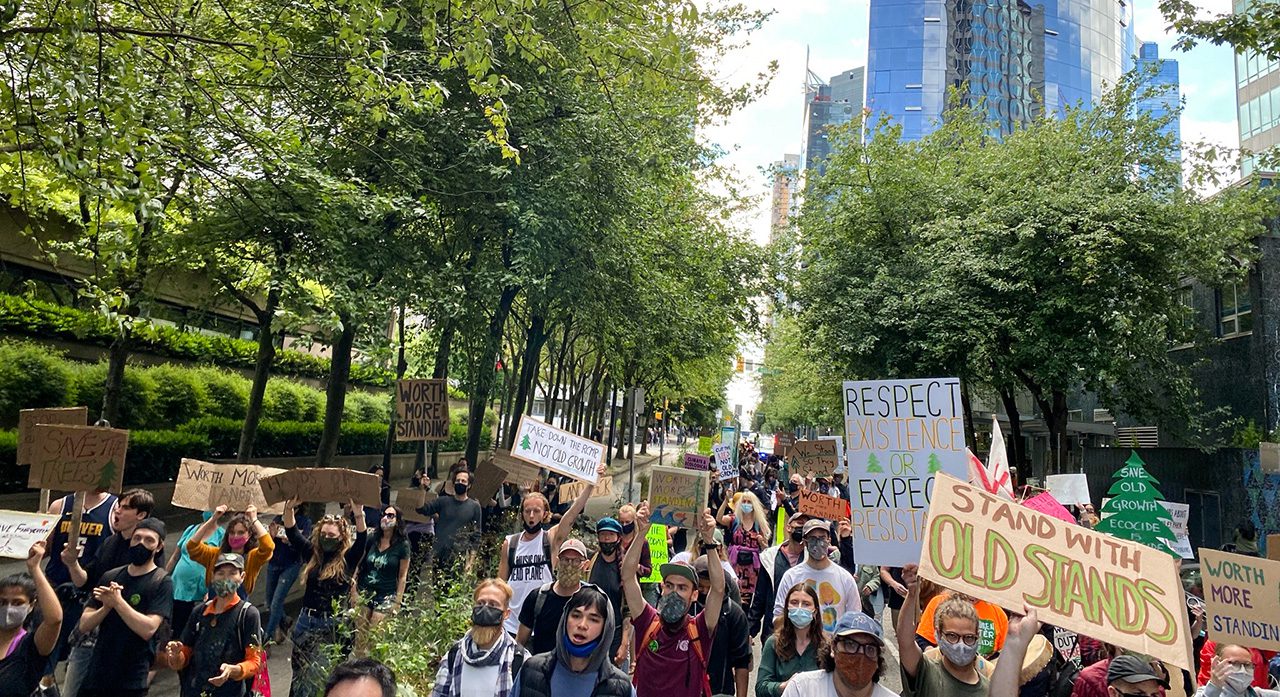
Fire doesn’t always mean complete tree death. Forest fires might only burn part of a tree’s bark, but more severe fire may completely char the tree. As climate change continues, our understanding of forest fires will undoubtedly evolve. The foresters developing and piloting the CODEX will keep these developments in their field of view.
Enabling individuals to generate carbon offsets through their own low-emissions practices is a bold step. We do not know if it will work, but in the world of Dogecoin and thousands of coins based on supply-demand dynamics, there might be a culture hungry for a device of Earth protection and economic engagement. From trees that spawn tokens as they grow, to electric vehicles and public transit-riders who generate offsets through their daily commute, this is a bold and unprecedented leap into the future.
Cascadia Carbon is hard at work bringing this work to fruition, with a critical mass bicycle ride to Vancouver Island in September to celebrate the launch of CODEX and the initial partnership with TreeCanada.ca. They are one of what this Author hopes is a growing band of cryptocurrency enthusiasts who also see the importance of protecting nature with every ounce of effort we’ve got.

Related Content
How legal design reshapes voice, risk, capital, and value
 598
0
598
0
A Calabar case for climate resilience
 416
0
416
0
Why income policy needs a systems-accounting lens
 476
0
476
0
Why recovery depends on the systems that move capital, power, and goods
 413
0
413
0
Comments
Deep Dives
RECENT
644
0
 425
0
425
0
 669
0
669
0
Editor's Picks
 15708
0
15708
0
 11211
0
11211
0
 14021
0
14021
0
 1748
0
1748
0
 1868
0
1868
0
 2065
0
2065
0
Webinars
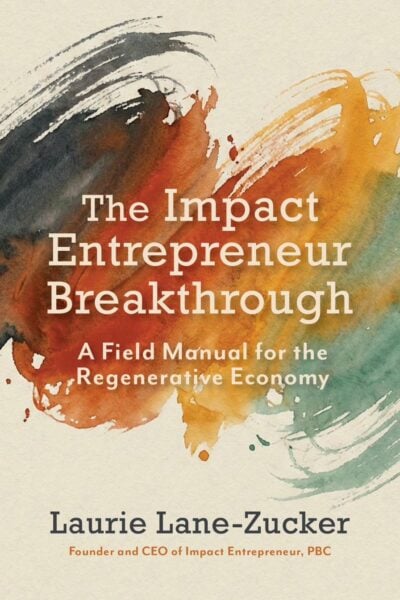
Featuring
Laurie Lane-Zucker in conversation with Jeffrey Hollender, Sarah Holloway and Sara Minard
September 30 - 6:00 PM EST
Signed by the author. Collected at the door at Lipton Hall, NYU School of Law,…
Signed and personally inscribed — you'll write the inscription as you order. Limited · 50…
News & Events

Over $200k to six or more winners will be awarded
Subscribe to our newsletter to receive updates about new Magazine content and upcoming webinars, deep dives, and events.
Become a Premium Member to access the full library of webinars and deep dives, exclusive membership portal, member directory, message board, and curated live chats.

0 Comments