Revitalization Without Displacement in Atlanta’s Westside
How place-based capital is expanding housing stability and ownership



How place-based capital is expanding housing stability and ownership

 180
180
 0
0

How Ziggma is trying to make values-aligned investing more transparent
 239
0
239
0

Why education pilots need government adoption, not just proof
 289
0
289
0

Lessons from Atlanta’s BeltLine and Pittsburgh Yards
 733
0
733
0

Jeremy Nicholls on building an accounting system fit for the impact economy
688
0

How portfolio theory could make cultural infrastructure more investable
 711
0
711
0

 10797
0
10797
0

Venture capital and angel investing are realms filled with unspoken assumptions. One such assumption is that companies should burn through substantial capital before even considering profitability. This notion is misguided!
Countless startups, often overlooked by these investors, are compelled to be profitable to survive. If these investors took a moment to recognize these startups, they would find that investing in profitable ventures offers a less stressful experience with higher rewards. This is particularly true for mission-driven startups that are making a positive impact while also generating profits.
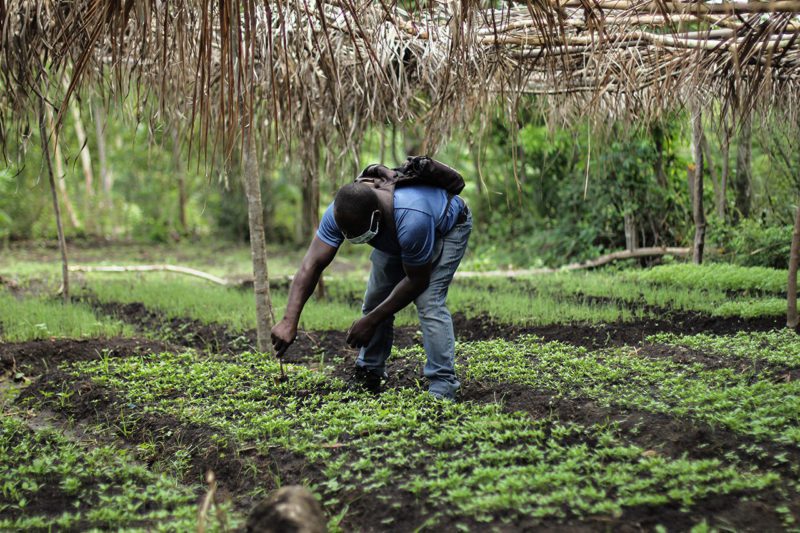
Where can you find these companies? They are everywhere, but I've found them most frequently in Africa. Here, they are often referred to as "SMEs" rather than startups, particularly those without a software focus. These SMEs are addressing some of the world's most pressing issues, such as poverty, hunger, and climate change.
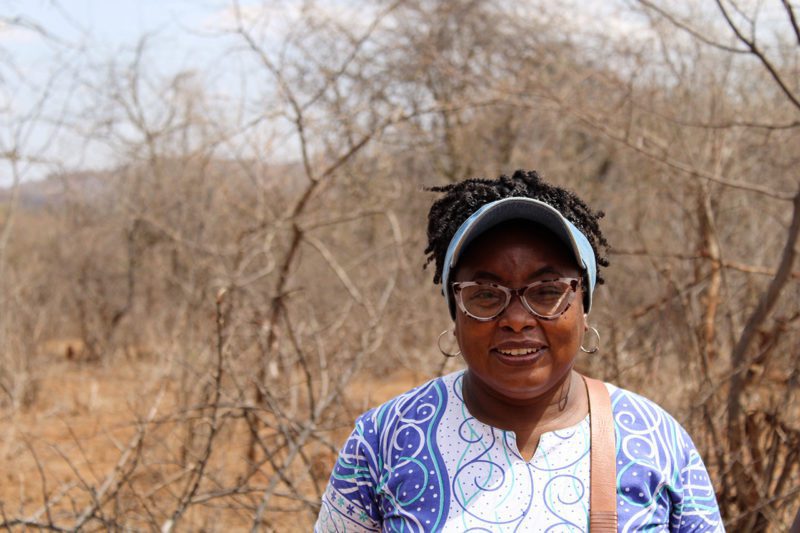
Let's shift from the hypothetical and examine 25 real-life companies, all part of the Africa Eats portfolio. Admittedly, there's a bias in this selection, but it's primarily towards promising, small SMEs that were profitable before receiving their first investment. All of these companies share the core belief that profits are as crucial as revenue growth, without the venture capital ideal of burning capital for expansion.
These companies share other commonalities. They are all led by native African entrepreneurs and are building components of the food/agriculture supply chain. All founders consider themselves mission-driven, yet they chose to establish for-profit companies, not NGOs, despite their goals to alleviate hunger, poverty, and climate change.
Profitability is not always consistent; building companies is challenging, and not every one of these companies is profitable every year. However, most have been profitable in most years. The graph below illustrates the number of unprofitable companies per year over the past six years.
These companies generate annual revenues between $100,000 and $10 million, with a median of $450,000 in 2022. This isn't a case of selection bias towards small, village-scale companies. The smallest operate in a few cities, and the largest have a national presence.
Interestingly, as these companies grow, their profit margins increase. In 2017, these companies collectively earned $3.7 million in annual revenues, which grew to over $24 million in 2022.
When will more money start flowing into profitable startups, even if those startups are based and operating in Africa?
This growth rate is something most venture capitalists would boast about, but few, if any, venture capital portfolios can claim any profits, let alone 18% profit margins.
So, why aren't billions of dollars flowing into African SMEs and SMEs in other emerging markets? The reasons are momentum, paradigms, business models, and fear.
Momentum, as venture capital has been primarily tech-focused since the 1990s and hasn't explored other potentially lucrative sectors. Paradigms, as venture capital is built around burning capital. Business models, as venture capital funds are paid to manage capital, typically under the "2 & 20" model, which disincentivizes investing in sectors that require less capital due to the ability to recycle profits. And fear, as angels today invest like venture capitalists did two decades ago, often due to a lack of alternative investment models.
We must also address the elephant in the room: Africa. Despite being home to half of the ten fastest-growing economies globally, it is often viewed as the "dark continent" by American and European investors due to a lack of positive news coverage.
Given these factors, the question should be reframed: when will more money start flowing into profitable startups, even if those startups are based and operating in Africa?


Related Content
How place-based capital is expanding housing stability and ownership
180
0
How Ziggma is trying to make values-aligned investing more transparent
239
0
Why education pilots need government adoption, not just proof
289
0

What Bosnia’s rebuilding teaches us about recovery economies
 362
0
362
0
Comments

Deep Dives
RECENT
 733
0
733
0
 688
0
688
0
 711
0
711
0
Editor's Picks
 180
0
180
0
 239
0
239
0
 289
0
180
0
239
0
180
0
239
0
289
0
289
0
180
0
239
0
180
0
239
0
289
0
Webinars
News & Events



Helping founders and impact investors align
Subscribe to our newsletter to receive updates about new Magazine content and upcoming webinars, deep dives, and events.
Become a Premium Member to access the full library of webinars and deep dives, exclusive membership portal, member directory, message board, and curated live chats.

Join our global community of systems-minded changemakers.
Subscribe to the Impact Entrepreneur newsletter for the latest insights, magazine features, and invitations to exclusive webinars, Deep Dives, and events.


0 Comments