Will the ‘4th Industrial Revolution’ Include the African Woman?
Or exclude her...



Or exclude her...

 11250
11250
 0
0

The Necessary Condition for a More Inclusive World.
 12118
0
12118
0

Exploring Innovative Public-private Partnerships and Blended Finance Solutions.
 11066
0
11066
0

The evolution of X-Press Feeders towards global impact
 10311
0
10311
0

Learning from India's and Brazil's success
 9600
0
9600
0

 13335
0
13335
0
 4838
0
4838
0
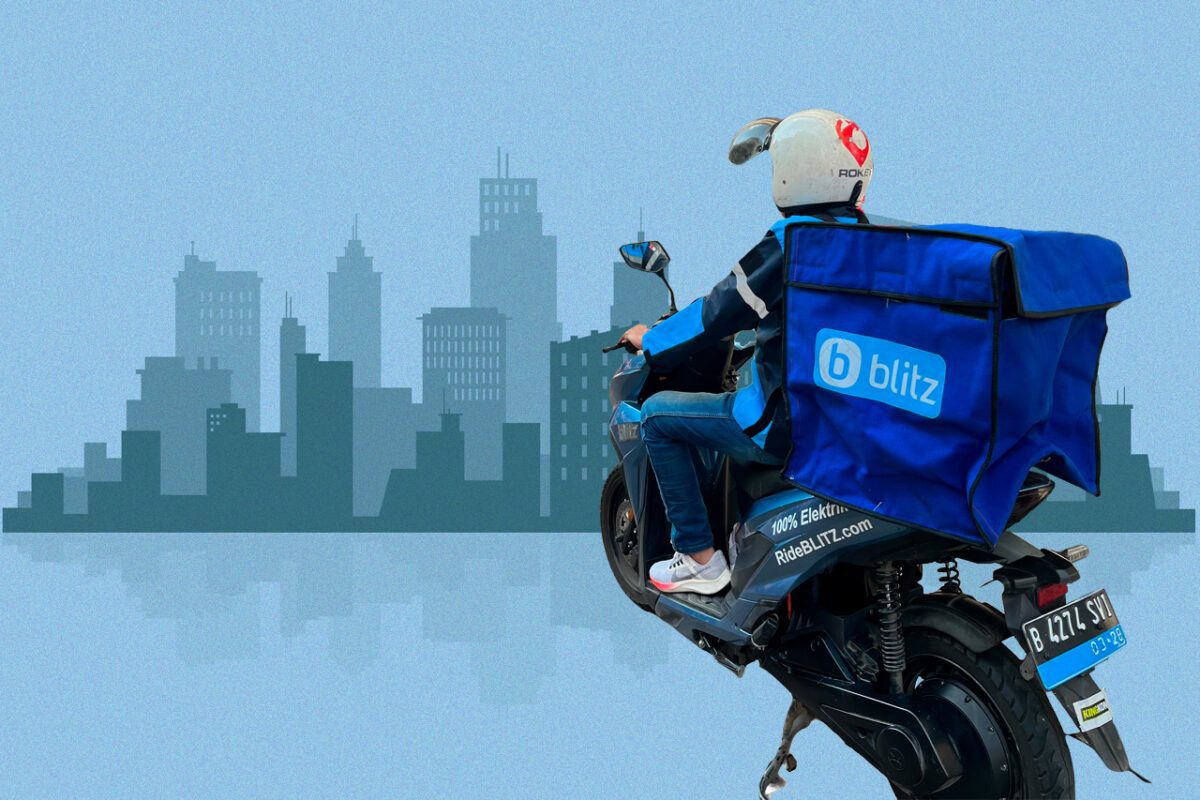
Blitz is tackling three major pain points in Indonesia’s logistics sector: inefficient last-mile delivery, low incomes for gig workers, and rising transport emissions. Through an integrated, AI-powered electric vehicle (EV) platform, Blitz is not only improving delivery times but also significantly raising drivers’ earnings and reducing carbon emissions.
“Logistics costs in Indonesia are among the highest in Southeast Asia,” says Blitz CEO Saivya Chauhan. “Deliveries often take two to four days. Gig workers are underpaid, and 99 percent of vehicles still run on gasoline.” Blitz aims to address all three challenges systematically.
 Blitz CEO Saivya Chauhan
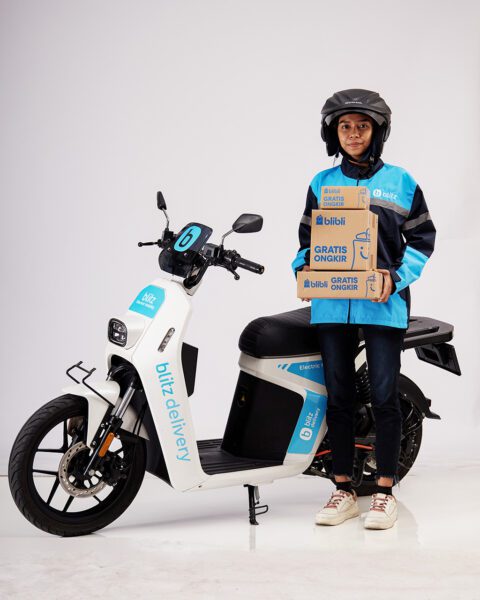
Blitz has built Southeast Asia’s first full-stack EV logistics platform, designed to integrate with partner systems seamlessly and enable instant deliveries. This tech infrastructure tackles delivery inefficiencies while supporting rapid scaling.
Second, the platform channels more revenue to drivers and offers the stability of full-time employment — providing access to EV financing, insurance, healthcare, and pensions.
Third, by operating an all-electric fleet, Blitz significantly cuts urban transport emissions.
Blitz’s logistics engine is powered by machine learning and AI, deployed at three key stages: pickup, routing, and return.
Before a delivery even begins, the system analyzes driver behavior, weather conditions, item fragility, and historical performance to assign the optimal driver.
For routing, Blitz compares Google Maps projections with its own route suggestions to optimize speed and efficiency.
And on the return leg — often a costly, empty-handed journey — the system scans for reverse logistics opportunities, such as return items or warehouse-bound packages, thereby maximizing vehicle use and reducing emissions.
 Carving out competitive advantages
Blitz faces competition from both large conglomerates and smaller startups, but Chauhan sees two key differentiators.
“Most of the competition is B2C, while we are B2B,” he explains. “It’s very difficult for a B2C company to overhaul its infrastructure to match our delivery speed.” In fact, many of Blitz’s clients are large logistics firms that might otherwise be competitors.
The other advantage is proprietary technology. “We’ve built our entire tech stack in-house, and it’s been recognized internationally — including by Nvidia,” Chauhan adds.
Blitz has rapidly expanded across every Tier One city in Indonesia and many Tier Two cities. Its 60+ enterprise clients include a global pizza chain, international logistics companies, regional e-commerce platforms, and major social media firms.
Revenue has grown from under US$100,000 in 2022 to $3 million in 2024, with projections of $10 million in 2025. Blitz expects to grow its driver network from 1,000 to 9,000 by the end of this year.
Today, Blitz says it is the largest player in Southeast Asia’s instant delivery market — and holds the highest market capitalization in the region. After consolidating its presence in Indonesia, the company plans to expand internationally starting in 2026.
 An impact-first business model
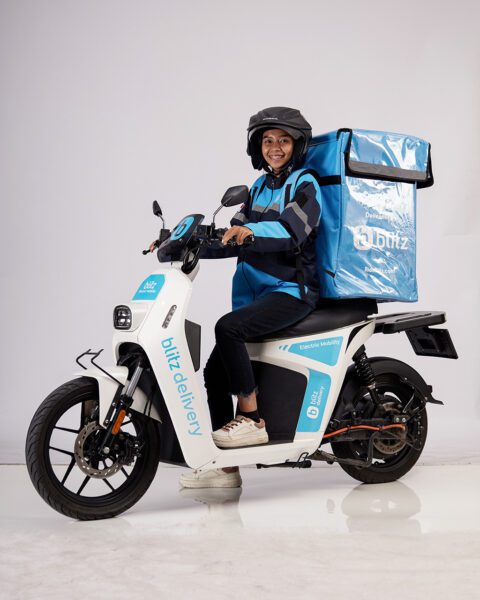
“Impact is critical to me — not just professionally, but personally,” says Chauhan. The company was born during the COVID-19 pandemic, when Chauhan noticed that gig workers were earning less despite booming delivery demand. “The platforms were predatory, taking more margin from the drivers. That sparked the idea of building a driver-centric platform.”
Blitz measures its impact in two key ways. The first is straightforward: carbon emissions reductions via EV adoption. The second is more personal: transforming drivers’ lives.
Blitz-financed drivers earn about US$266 per month, a nearly 30% increase over the industry average of $200. “That may not sound like a lot,” Chauhan notes, “but for drivers living hand-to-mouth, it makes a huge difference.” With benefits like health insurance, pension plans, and cheaper EV financing, Blitz is redefining what gig work can look like in a just and regenerative economy.
“I hope we inspire other founders to go in the same direction,” Chauhan says. “Impact startups deserve to be at the center of the next economic wave.”


Related Content

Businesses have a crucial role to play
 11090
0
11090
0

Telling your brand story from store shelf to global impact
 8383
0
8383
0

Revelations from the 2023 GIIN Forum
 10239
0
10239
0

Insights from Bloomberg's 2023 GEI Report
 9594
0
9594
0
Comments
Deep Dives
RECENT
 10311
0
10311
0
 9600
0
9600
0
 13335
0
13335
0
Editor's Picks
 11250
0
11250
0
 12118
0
12118
0
 11066
0
11066
0
Webinars
News & Events
Subscribe to our newsletter to receive updates about new Magazine content and upcoming webinars, deep dives, and events.
Become a Premium Member to access the full library of webinars and deep dives, exclusive membership portal, member directory, message board, and curated live chats.

Join our global community of systems-minded changemakers.
Subscribe to the Impact Entrepreneur newsletter for the latest insights, magazine features, and invitations to exclusive webinars, Deep Dives, and events.


0 Comments