The Global EV Transition
How electrification, policy, and overproduction are reshaping mobility


How electrification, policy, and overproduction are reshaping mobility

 2764
2764
 0
0

How Islamic Philanthropy is redefining impact capital in Indonesia
 3202
0
3202
0
Reimagining philanthropy in India’s Impact Economy
 2670
0
2670
0
Disability access, institutional design, and Thailand’s 2026 election
 2505
0
2505
0
What it will take to electrify Africa at scale
 1902
0
1902
0

 3748
0
3748
0

 4278
0
4278
0
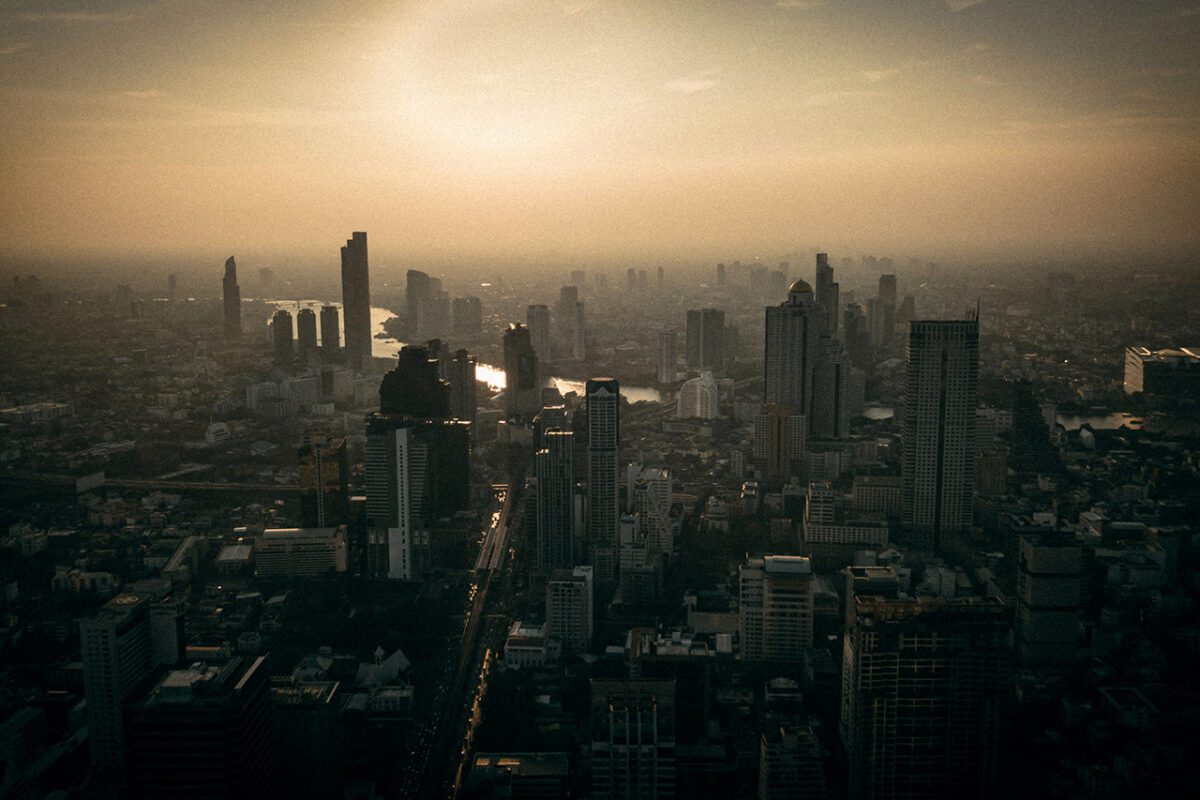
It should not be a privilege to inhale clean air. Air is a biological necessity and a basic human right. Yet in most Asian cities, it has become a costly luxury.
Bangkok, also known as the “City of Angels” — the city of my birth — is choking under a canopy of imperceptible yet lethal particles. The contrast is stark, especially for those who have watched the city transform over the years.
On every return trip to Bangkok, one sour observation stands out: the air feels heavier. By the second day, our throats begin to itch, followed by a persistent cough. These physical reactions are not imagined. They point to an environment saturated with fine particulates, fumes, and factory dust. For those of us born in Thailand but now living abroad — in Switzerland in my case — the difference is glaring. Bangkok can no longer catch its breath. It is suffocating. And that troubles me deeply.
The essence of the problem can be summed up in two letters and two numbers: PM2.5. These fine particles, less than 2.5 micrometers in diameter, can penetrate deep into the lungs and enter the bloodstream. The World Health Organization (WHO) links them directly to cardiovascular and respiratory disease, strokes, and lung cancer. According to the Bangkok Metropolitan Administration (BMA), PM2.5 levels in the capital consistently exceed safe limits.
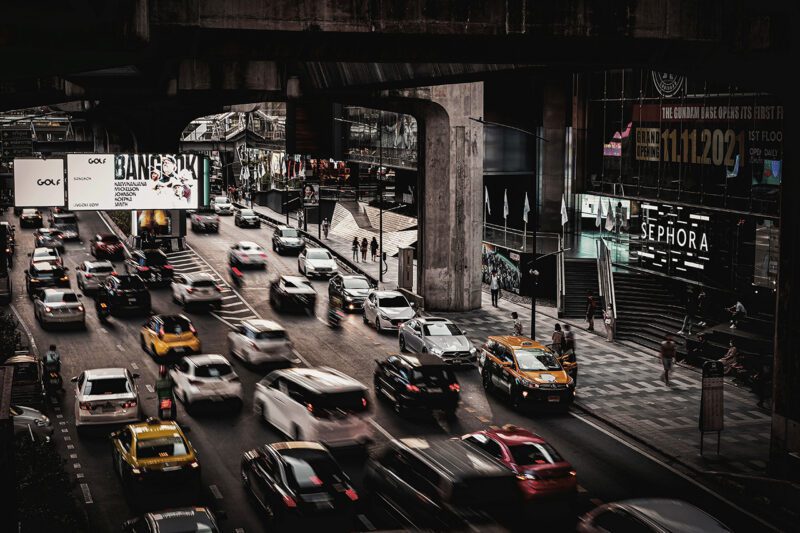
In January 2025, Bangkok recorded concentrations of 88.4 µg/m?, resulting in higher hospitalization rates and reduced productivity. Greenpeace reports that in 2021 alone, 29,000 people in Thailand died prematurely from air pollution, with more than 4,000 of those deaths in Bangkok. The trend is climbing steadily.
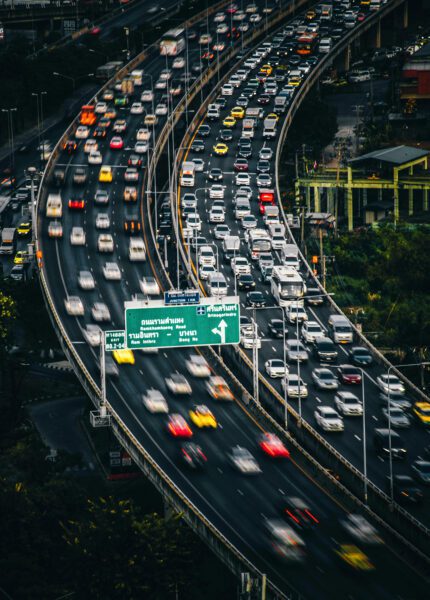 A preventable affliction is an unnecessary one. The causes are well known — and they can be addressed. Bangkok’s pollution stems from:
This is not a natural occurrence or inevitable urban plague. It is the result of economic choices, weak policies, and short-term compromises.
Government efforts toward climate change mitigation have historically been tepid at best, empty at worst. But a new wave of entrepreneurs, startups, and citizen scientists — part of Southeast Asia’s emerging climate movement — is rising.
At the Decarbonize Thailand 2025 Symposium in May at True Digital Park, more than 30 startups showcased innovations in electromobility, agritech, carbon accounting, and more. Standouts include:
Other innovators include GeoAgni, deploying scalable geothermal energy systems, and Gideon One, offering carbon accounting and trading solutions for SMEs.
Thailand is rich in history, culture, and biodiversity. To let its cities choke is to abandon the dream of a livable future for its people.
Yet these pioneers face a financing gap. Scaling their solutions will require catalytic capital — green bonds, carbon pricing mechanisms, and pay-for-performance structures that align financial incentives with environmental outcomes. With the right ecosystem support and enabling policies, Bangkok could fast-track these innovations, proving that market-driven approaches can fill the void left by government inertia.
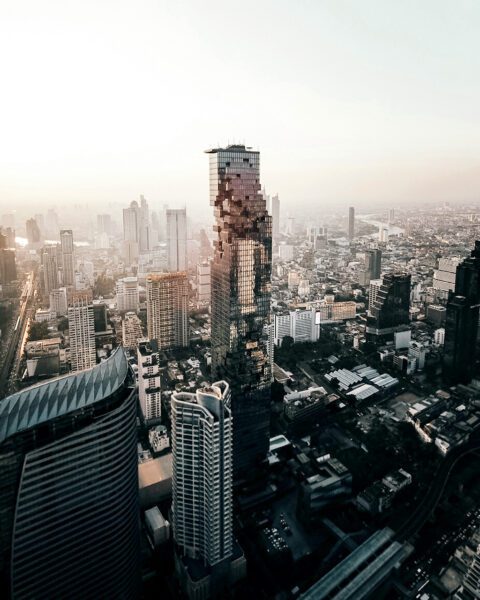
Faced with crisis, the Thai government’s actions have ranged from well-meaning intentions to half-hearted measures.
Bangkok joined the Breathe Cities initiative, aiming to reduce pollution by 30% by 2030 — a step forward, but too slow without stronger, immediate action. The government briefly introduced free public transport at certain times, tightened some pollution restrictions, and offered EV purchase incentives. Yet, conventional farming remains largely unregulated, and the dirtiest vehicles still roam freely. Without stricter enforcement, these efforts will remain marginal.
Reversing the trend requires coordinated, decisive measures:
Thailand is rich in history, culture, and biodiversity. To let its cities choke is to abandon the dream of a livable future for its people.
Bangkok stands at a crossroads: continue down the path of endemic pollution, health crises, and political denial — or become a model for ecological transformation.
The choice is clear. What’s missing is the will.


Related Content

What frontline job quality reveals about value, resilience, and scalable impact
 1570
0
1570
0
What Iran and Ukraine reveal about the failure of militarized security
 2580
0
2580
0

How narrow strategies are helping ventures survive volatile ecosystems
 1976
0
1976
0

Institutional amnesia and the regenerative correction
2170
0
Comments

Deep Dives
RECENT
 2505
0
2505
0
 1902
0
1902
0
 3748
0
3748
0
Editor's Picks
 2764
0
2764
0
 3202
0
3202
0
 2670
0
2670
0
Webinars
News & Events
Subscribe to our newsletter to receive updates about new Magazine content and upcoming webinars, deep dives, and events.
Become a Premium Member to access the full library of webinars and deep dives, exclusive membership portal, member directory, message board, and curated live chats.

Join our global community of systems-minded changemakers.
Subscribe to the Impact Entrepreneur newsletter for the latest insights, magazine features, and invitations to exclusive webinars, Deep Dives, and events.





0 Comments