Solving the Trillion Dollar Climate Challenge Begins with Women



 10815
10815
 0
0
 10576
0
10576
0
 20730
0
20730
0

 10432
0
10432
0

Insights from the Global Impact Investing Network
 8806
0
8806
0
 11668
0
11668
0
 4148
0
4148
0
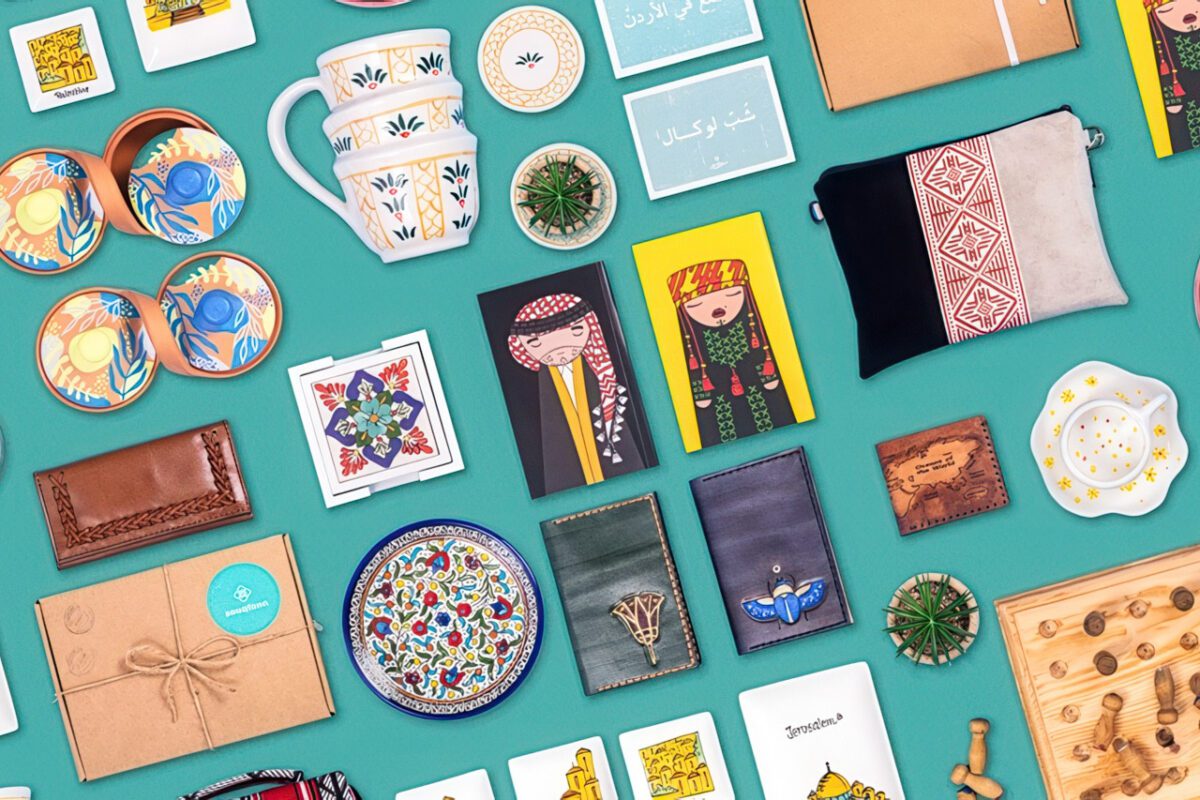
Souq Fann Handmade Gifts
For far too long, much of the MENA region has functioned in survival mode — and with good reason. Decades of dictatorship, conflict, economic instability, inequality, and widespread corruption have shaped not only public policy but also daily realities and collective mindsets. The struggle is often just to secure basics — food, decent work, and essential services. Long-term thinking feels foreign, often imagined only through dreams of migration and diaspora success stories. Despite having a majority youth population — one of its greatest assets — the region continues to grapple with low entrepreneurship rates and high unemployment.
This volatile environment has profoundly shaped how people think, plan, and act. More than just coping mechanisms, a survival mindset emerges — a worldview driven by scarcity, fear, and chronic instability. It teaches people to play it safe, aim low, and grab what they can while they can. Over time, it narrows imagination, drains ambition, and traps entire societies in a permanent state of crisis.
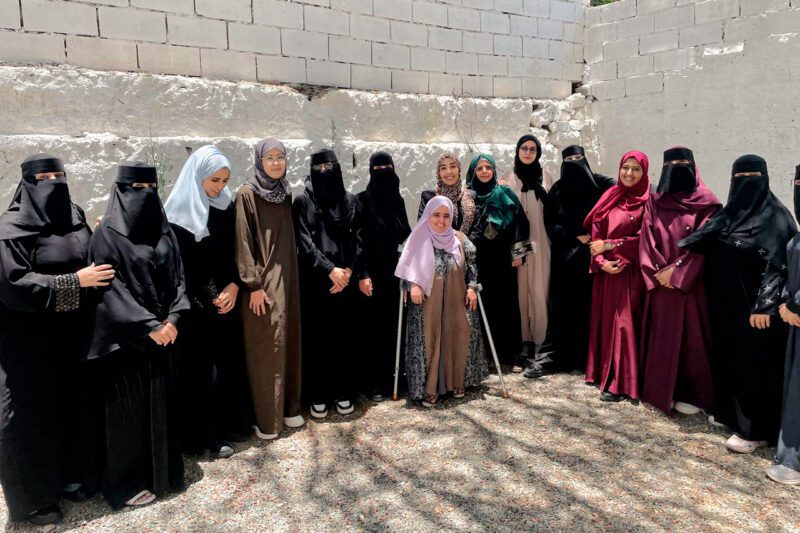 Yemeni social entrepreneurship community gathering; Photo credit - Taez
This survival mindset, common globally, is particularly entrenched in MENA, rooted in structural dysfunctions:
Together, these dynamics condition societies into constant short-termism and crisis response — not by choice, but structural design. In today's world — marked by climate urgency, rapid technological transformation, and complex global challenges — this mindset is not just outdated but a liability preventing the region from imagining and building a sustainable future.
 Tunisian Students social project presentation
When survival is the norm, relationships inevitably become transactional: one-off grants, short-term partnerships, and programs designed for quick metrics rather than lasting impact. This mindset reduces value to immediate, measurable outcomes — fitting neatly into quarterly reports.
Unlocking MENA’s potential requires shifting from short-term projects to long-term human investment, transforming isolated efforts into relational ecosystems built on trust, care, and mutual accountability.
However, this model was always flawed and is increasingly irrelevant. Emerging from COVID-19 trauma, people are seeking deeper connections, meaning, and purpose. Generation Z — and those who follow — seek alignment between their actions and values. They don’t merely want to participate in systems; they aim to redesign them.
Moving from transactional to relational isn’t just good for communities — it’s beneficial for business. Today, successful brands cultivate real, living communities, building interactive digital spaces that foster genuine participation and relationship-building.
Take Souq Fann, a leading Jordanian social enterprise connecting artisans, refugees, and creatives with global markets. More than an e-commerce site, it builds community through training, storytelling, and shared identity, empowering entrepreneurs rather than mere producers. Its impact is measured not just in sales but in livelihoods sustained, cultural heritage preserved, and dignity restored. Souq Fann turns consumers into supporters, artisans into ambassadors, and a marketplace into a movement.
MENA has immense potential — in its youth-majority population, under-tapped female empowerment, community resilience, and everyday solidarity. Shaped by hardship and resourcefulness, the region's people continuously adapt and innovate despite systemic failures.
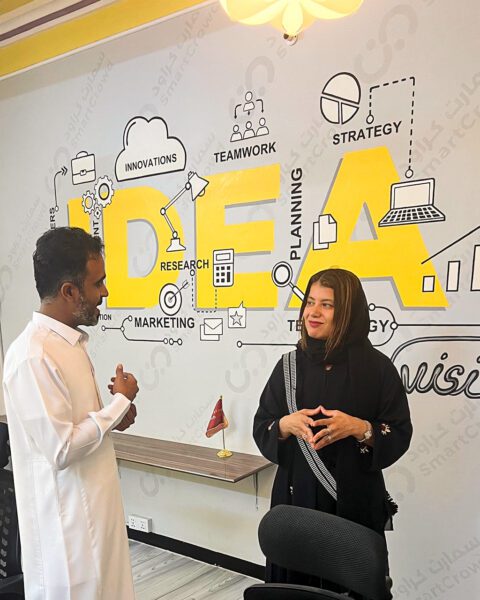 Business Incubator in Yemen
Historically, MENA's rich traditions of trade, storytelling, and hospitality have fostered social entrepreneurship long before the modern term existed. Today's challenge isn’t inventing entirely new systems but adapting these traditions with modern tools and business models, maintaining values of trust, care, and collective well-being.
Unlocking MENA’s potential requires shifting from short-term projects to long-term human investment, transforming isolated efforts into relational ecosystems built on trust, care, and mutual accountability. Empathy must become a structural foundation.
This demands rethinking entrepreneurship — not merely as income generation, but as participatory citizenship. Social entrepreneurship offers a promising path forward, centering purpose and impact in innovation.
Building a sustainable future is a collective responsibility requiring cross-sector coordination, generational collaboration, and geographic inclusivity:
As Einstein famously stated, “We cannot solve our problems with the same thinking we used when we created them.” Now is not a moment to fix broken systems but to reimagine possibilities — designing economies that serve life, institutions nurturing trust, and communities prioritizing dignity and collaboration. The seeds exist; now, it's time to cultivate them.

Related Content
 11027
0
11027
0

Why it matters now
 9605
0
9605
0

 8984
0
8984
0
Comments
Deep Dives
RECENT
 10432
0
10432
0
 8806
0
8806
0
 11668
0
11668
0
Editor's Picks
 10815
0
10815
0
 10576
0
10576
0
 20730
0
20730
0
Webinars
News & Events
Subscribe to our newsletter to receive updates about new Magazine content and upcoming webinars, deep dives, and events.
Become a Premium Member to access the full library of webinars and deep dives, exclusive membership portal, member directory, message board, and curated live chats.

Join our global community of systems-minded changemakers.
Subscribe to the Impact Entrepreneur newsletter for the latest insights, magazine features, and invitations to exclusive webinars, Deep Dives, and events.



0 Comments