The Gift of Fire
Value manifests in diverse and various ways but is always more than economic value alone.



Value manifests in diverse and various ways but is always more than economic value alone.

 11667
11667
 0
0
 10854
0
10854
0

 10657
0
10657
0

 10540
0
10540
0

Insights from the Global Impact Investing Network
 8891
0
8891
0
 11726
0
11726
0
Upcoming Events

 4218
0
4218
0
How do we ensure that our impact investments are truly benefiting those closest to the problems we are trying to solve?
The impact investing movement has grown exponentially over the last few decades. When done well, impact investment provides capital to address the world’s most pressing challenges. One promising approach is to include place-based ecosystems in your portfolio.
A place-based ecosystem is a geographically defined network of people, buildings, infrastructure, capital, organizations, and ventures that brings together the diverse elements needed to create a thriving, healthy, just, sustainable, and prosperous local economy.
Based on my 30 years of experience in community economic development and financial inclusion, I’ve found that the following pillars, when brought together in one geographic area, can have a meaningful positive impact on community wealth and well-being:
A few isolated investments or “access to capital” trainings are not enough. We need to cultivate a web of support that draws on people’s natural desire to be part of a shared purpose and to form meaningful, trust-based relationships.
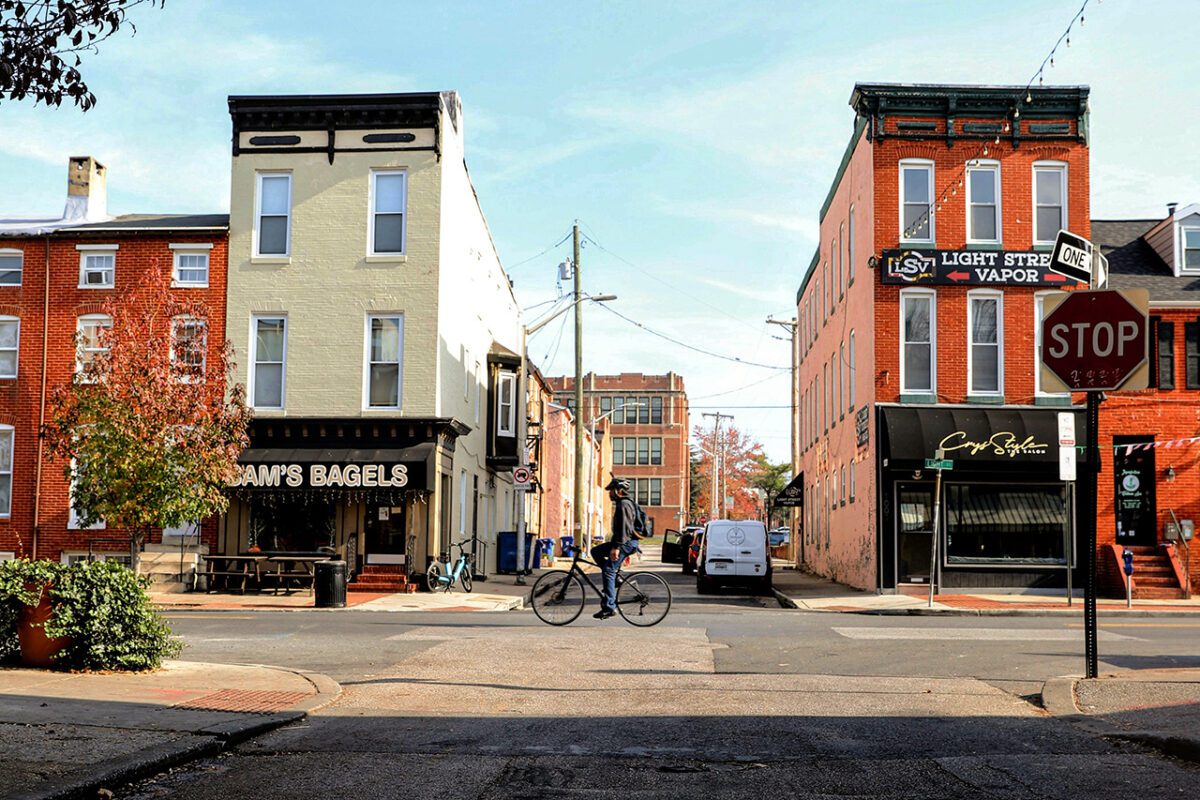
 15 West Mulberry Street; Image Courtesy of Baltimore Community Commons
There’s a common misconception that capital is inherently “placeless,” that investors should simply hunt for the highest-impact deal flow wherever it happens to be. But place matters profoundly, for several reasons:
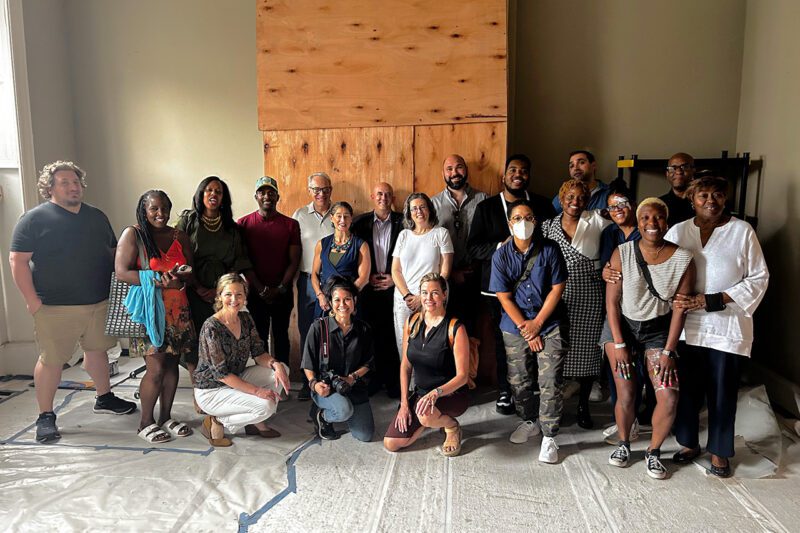 Image Courtesy of Baltimore Community Commons
Place-based ecosystems can do more than just grow community wealth — they can save lives. Professor Julianne Holt-Lunstad’s research shows that “social isolation and loneliness significantly increase risk for premature mortality, and the magnitude of the risk exceeds that of many leading health indicators.”
We are living through a crisis of loneliness, disengagement, and mistrust. Place-based ecosystems can help rebuild the fabric of our connections.
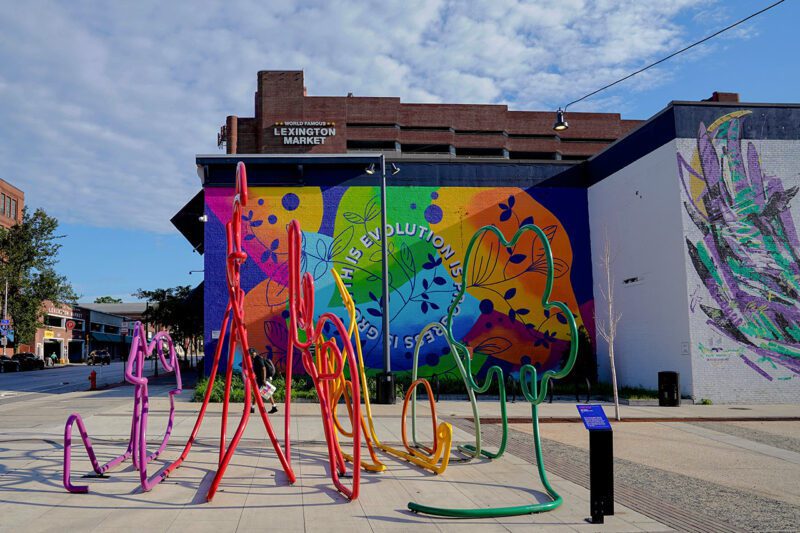
As economist Michael Shuman has pointed out for decades, “even though locally owned businesses constitute slightly more than half of the US economy, they receive far less than half of all banking capital and almost none of securities capital… This constitutes a huge capital market failure.”
Investing in place-based ecosystems can help correct this failure and, if done at scale, channel unprecedented resources into thriving local communities.
 The next step
Starting with a physical headquarters can be key to engaging community members. When people know there’s a welcoming place to gather, connect, and learn, momentum builds. Offering free or low-cost memberships fosters a sense of belonging.
Regular gatherings where all voices are heard help lay the foundation for trust and commitment.
Baltimore is a medium-sized city still grappling with the effects of redlining and suburban flight. Yet there is substantial capital in the metro area. Federal Reserve data shows that if just 1% of Baltimoreans’ investment portfolios were shifted to local businesses, it would inject an additional $3 billion into the local economy.
Baltimore Community Commons is an initiative I co-lead alongside local social entrepreneurs, a University of Maryland professor, and Andrew Yang, 2020 presidential candidate and advocate for human-centered economies. Located in a centrally situated building, it includes:
Learn more: baltimorecommunitycommons.org and smallchange.co/projects/Community-Commons
If we want impact investing to truly fulfill its promise, we must invest in local ecosystems. Nurturing place-based ecosystems lays the foundation for resilient economies owned by and accountable to the people they serve. That’s how we move from scarcity to abundance — and from extraction to regeneration.



Related Content

An urgent call for intentional design and transparent governance
 7798
0
7798
0
 11074
0
11074
0

Why it matters now
 9653
0
9653
0
Comments

Deep Dives

Featuring
Laurie Lane-Zucker
Founder & CEO, Impact Entrepreneur
July 30 - 12:00 PM EST
RECENT
 10540
0
10540
0
 8891
0
8891
0
 11726
0
11726
0
Editor's Picks
 11667
0
11667
0
 10854
0
10854
0
 10657
0
10657
0
Webinars
News & Events
Subscribe to our newsletter to receive updates about new Magazine content and upcoming webinars, deep dives, and events.
Become a Premium Member to access the full library of webinars and deep dives, exclusive membership portal, member directory, message board, and curated live chats.

Join our global community of systems-minded changemakers.
Subscribe to the Impact Entrepreneur newsletter for the latest insights, magazine features, and invitations to exclusive webinars, Deep Dives, and events.



0 Comments