Building an Alabama Entrepreneurial Ecosystem
Focused on black business owners.



Focused on black business owners.

 10172
10172
 0
0

Impact investors and the community as a whole has missed a leadership opportunity.
 12193
0
12193
0

 9972
0
9972
0

A new marketplace called OutcomesX
 7740
0
7740
0
 13640
0
13640
0

Innovating and supporting women
 8118
0
8118
0

 9504
0
9504
0
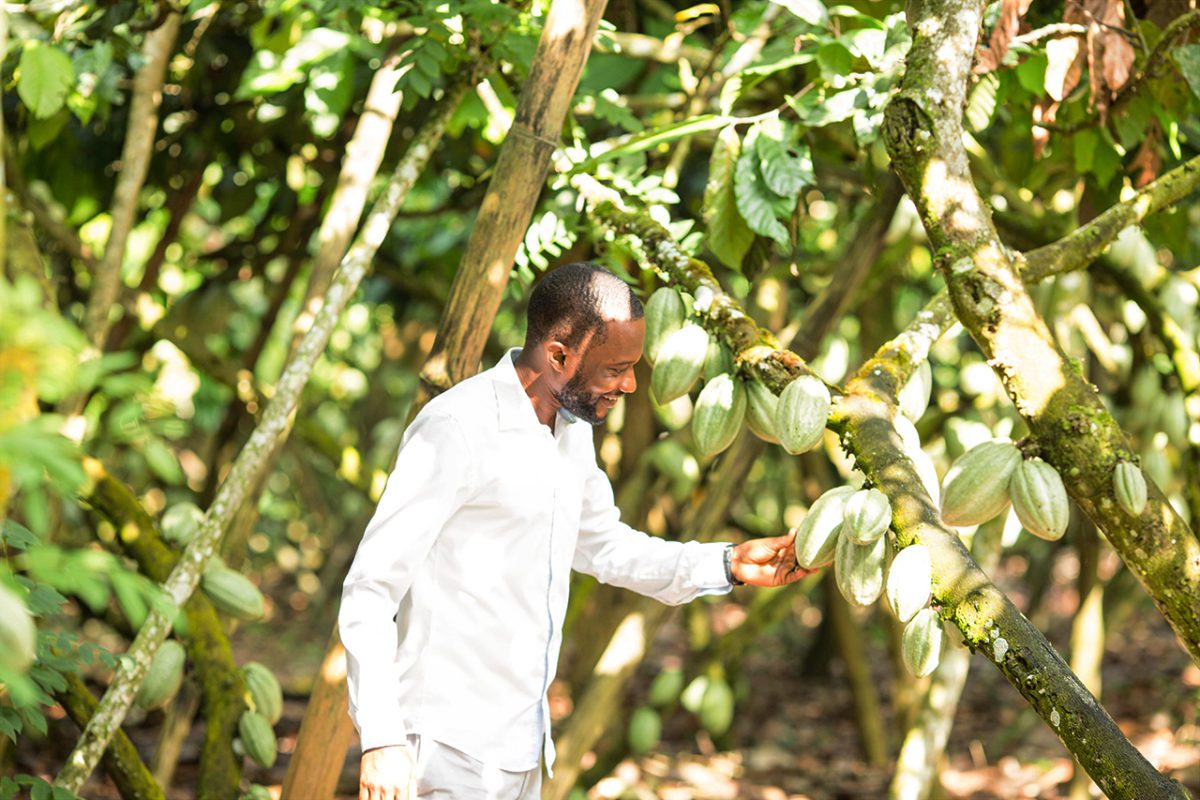
The adage “think globally, act locally” has particular resonance in agriculture. As the war in Ukraine vividly demonstrated, geopolitical conflict can suddenly disrupt local crops, farmers, and supply chains.
Agriculture has always been highly localized. Decisions about what crops to grow and what animals to raise depend on the land’s microclimate, soil type, altitude, elevation, and water sources, as well as the culture, nutritional needs, religious practices, and taste preferences of the people being fed.
As the effects of climate change become more pronounced, farmers everywhere face threats of drought, flooding, heat waves, intense storms, and shifting patterns of weather, seasons, pollinators, and pests. But because actual climate change impacts are felt uniquely in each region, building resilience to these influences, and implementing climate-smart agricultural practices, must be tailored to local needs.
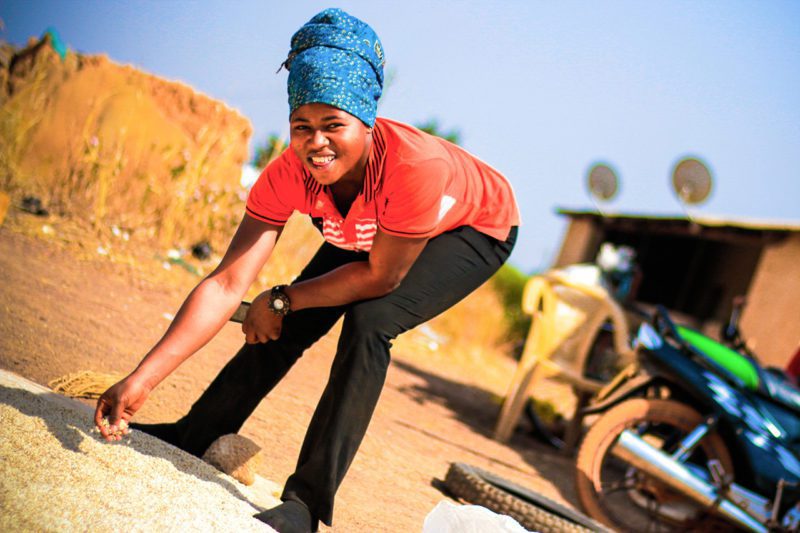
Worldwide, and especially in areas already suffering from the effects of climate change, social entrepreneurship is helping smallholder farmers improve farming practices at the local level —while often connecting them to national and global markets.
The Food & Agriculture Organization (FAO) of the United Nations estimates there are 608 million family farms around the world. Small family farms, those operating on agricultural land between one and five hectares, produce a third of the world’s food.
Smallholder farmers are on the front lines of the climate crisis. To survive — earning enough from their crops to feed themselves, their families, and communities — they have no choice but to find ways to mitigate the negative effects of climate change.
Small family farmers produce a third of the world’s food.
The World Bank describes climate-smart agriculture as having three main goals: Producing more and better food, especially among the 75% of the world’s rural, agriculture-dependent poor; enhancing resiliency to climate-related risks and shocks; and reducing the emissions generated for each calorie or kilo/pound of food produced, while avoiding agricultural deforestation and boosting atmospheric carbon absorption.
“Smallholder farmers are experts at risk management and have become accustomed to managing changes over time,” said Enock Chikava, the Bill & Melinda Gates Foundation’s Interim Director, Agricultural Development.
Boosting the efforts of smallholder farmers has become an important focus for social entrepreneurship. At Miller Center for Social Entrepreneurship, we have worked with hundreds of social enterprises that are making a real difference in helping rural, small-scale farmers develop sustainable agricultural practices, reach new markets, and gain access to more efficient agricultural supply chains. For example:
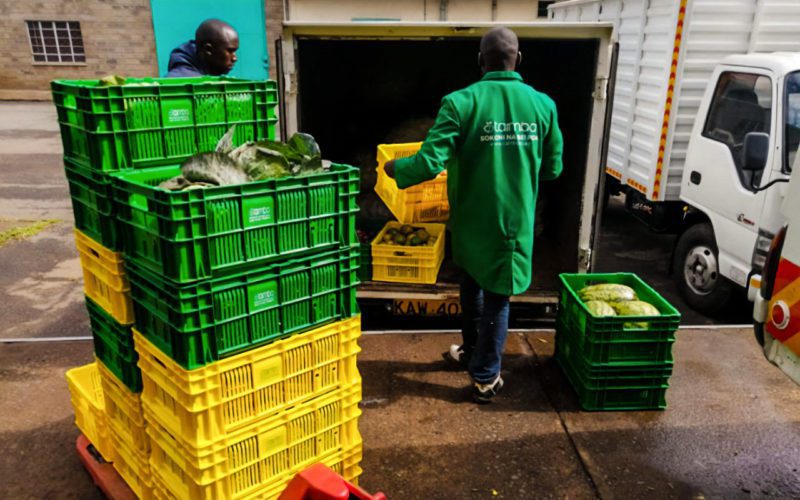
Kenya’s Taimba, offering East Africa’s first data-driven food supply chain platform, optimizes the region’s distribution, quality, and price of food by shortening the agriculture supply chain: connecting rural smallholder farmers to retailers so farmers gain consistent market access and receive fair prices.
“By reducing the number of players between the farm and the final consumers, we simplify the farm-to-market business model, reduce food waste across the supply chain, and cut greenhouse gas emissions,” said Dominique Kavuisya, CEO and co-founder of Taimba.
Taimba has helped the farmers it serves to cumulatively generate 45% higher income, reduce post-harvest waste by 60%, create more than 13,000 casual jobs annually, and contribute an incremental annual dollar value of nearly $100,000 back into their communities.
In east and northeast India, ONganic Foods works with smallholder farmers to promote sustainable agriculture practices through the cultivation, processing, and sale of indigenous organic and water-responsible crops. ONganic’s 5,000+ farmers enjoy reduced operational costs, premium prices, and the organic farming benefits of better soil quality, greater biodiversity, increased nutritional value, and climate resilience.
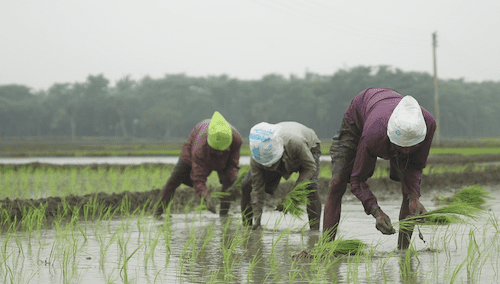 ONganic Foods works with smallholder farmers in east and northeast India to promote sustainable agriculture practices; Photo Courtesy of ONganic Foods
“Finding reliable markets is the single biggest challenge that small organic farmers face, so we focus on working with farmers from seed procurement and sowing through market access,” said Ekta Jaju, CEO and founder of ONganic Foods.
ONganic helps smallholder farmers convert to premium organic products — especially high-value, geographically differentiated products such as rainfed indigenous specialty rice, high-curcumin turmeric, and low-fiber ginger — and connects them with reliable market access.
Converting from hybrid conventional to organic black rice has increased ONganic farmers’ incomes up to 3.4 times. More than 700 metric tonnes of agricultural and horticultural products from 10+ farmer collectives have sold to both domestic and international markets, including Germany and the UK.
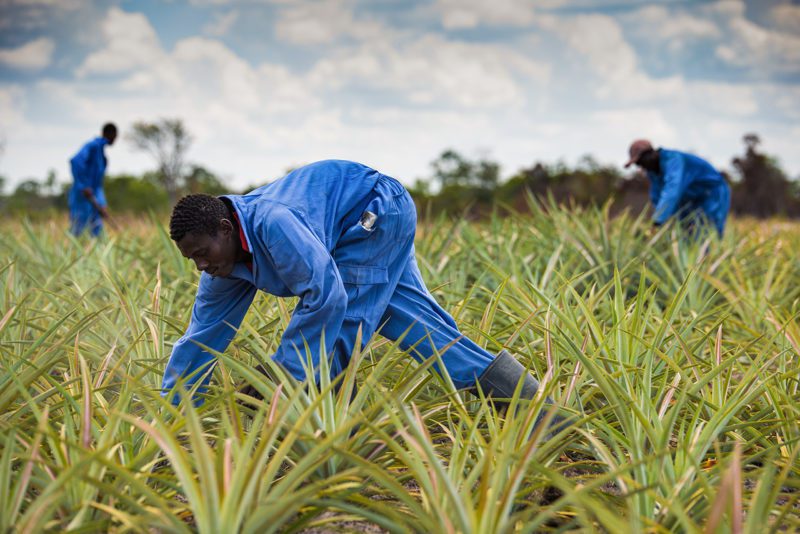 East Africa Fruits uses climate smart practices and technologies to help farmers improve yields, reduce losses, and increase the quality of the crops; Photo Courtesy of East Africa Fruits
East Africa Fruits uses agritech — plus training in climate-smart and good agricultural technologies and approaches — to build a bridge between local farmers and markets. They aggregate demand and deliver a wide range of fresh and exotic produce directly from farms to stores of B2B customers that include retailers, wholesalers, local vendors, restaurants and cafes, hotels, and exporters.
“We’re enhancing knowledge about climate-smart agriculture (CSA) practices and technologies among 5,000 farmers using a farmer field schools (FFS) approach,” said Nancy Masana, Executive Assistant for East Africa Fruits. “As a result, the farmers are improving their average yield from 6 to 12 metric tonnes per acre, reducing post-harvest losses by 50%, and increasing the quality of one crop, potatoes, by 25%.”
In business for 10 years, East Africa Fruits is modernizing supply chain and demand logistics to improve market access for farmers, ensure that smallholder farmers have a stable and growing source of income, and eliminate food waste in East Africa through efficient food distribution.
The African continent is particularly rich in social enterprises engaged in climate-smart agriculture.
For example, Good Nature Agro works with Africa’s most rural small-scale farmers to supply the region with high-quality legume seed and commodities, while also working to move the farmers from poverty into the middle class. Because boosting smallholder farmers’ income starts with identifying the right markets and crops, the social enterprise has established a model to help farmers answer: What am I going to grow this year? Who am I going to sell to? Where am I going to get the seed? How will I pay for it?
An agritech enterprise launched in 2013, Farmerline serves smallholder farmers across Ghana. Its Mergdata platform — providing agribusinesses, food manufacturers, NGOs, and governments with the intelligence to improve climate resilience and create lasting profits for farmers — has supported more than 130 corporate and development partners across 33 countries, reaching more than 1 million farmers.
An agricultural technology enterprise, UjuziKilimo builds sensors and farm data analytics tools to collect, analyze, and make sense of agricultural data for the world’s smallholder farmers, equipping them with the skills and accurate information to increase their crop production sustainably. Based in Kenya, UjuziKilimo provides a simple and fast way for smallholder farmers to monitor soil fertility, so they apply water, lime, and fertilizer based on actual local requirements.
--
Encouraging climate-smart agricultural practices is one of the best ways — along with promoting clean energy and providing access to clean water — to help vulnerable populations become more climate resilient.
By valuing both financial and social/environmental impact, social enterprises fulfill a role distinct from that of governments, corporations, and nonprofit organizations. At Miller Center, we work to amplify the effectiveness of social enterprises that are enhancing the climate resilience of smallholder farmers by accompanying the social enterprises on their business journeys.
To learn more about how accelerating social entrepreneurship can impact climate resilience, including among the world’s smallholder farmers, read the recent Miller Center white paper, “Amplifying Impact: How Accelerating Social Entrepreneurship Boosts Climate Resilience,” or visit the Miller Center for Social Entrepreneurship website.



Related Content

 8993
0
8993
0

 9359
0
9359
0
 8956
0
8956
0

Comments

Deep Dives
RECENT
 7740
0
7740
0
 13640
0
13640
0
 8118
0
8118
0
Editor's Picks
 10172
0
10172
0
 12193
0
12193
0
 9972
0
9972
0
Webinars
News & Events
Subscribe to our newsletter to receive updates about new Magazine content and upcoming webinars, deep dives, and events.
Become a Premium Member to access the full library of webinars and deep dives, exclusive membership portal, member directory, message board, and curated live chats.

Join our global community of systems-minded changemakers.
Subscribe to the Impact Entrepreneur newsletter for the latest insights, magazine features, and invitations to exclusive webinars, Deep Dives, and events.



0 Comments