Building an Alabama Entrepreneurial Ecosystem
Focused on black business owners.



Focused on black business owners.

 10176
10176
 0
0

Impact investors and the community as a whole has missed a leadership opportunity.
 12198
0
12198
0

 9974
0
9974
0

A new marketplace called OutcomesX
 7740
0
7740
0

 13656
0
13656
0
Innovating and supporting women
 8124
0
8124
0

 8434
0
8434
0
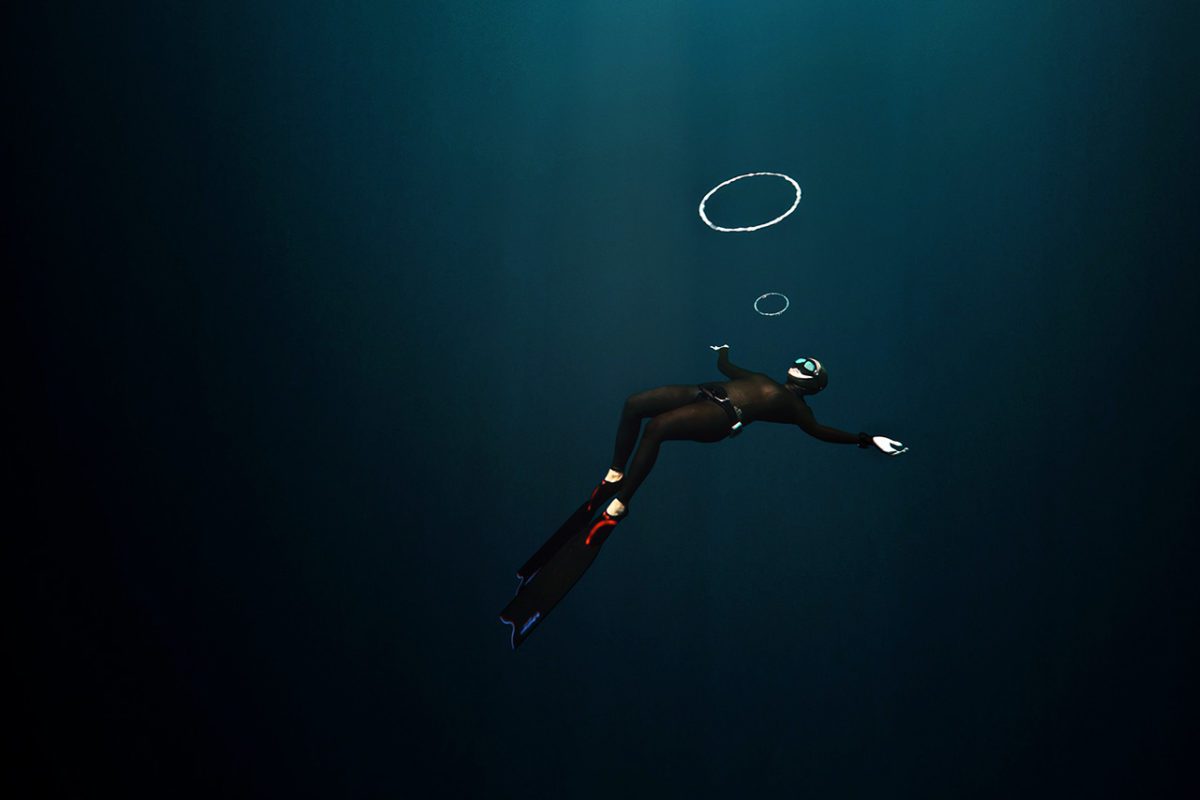
There’s no denying that, in the past year, space tourism has received an enormous amount of attention, with Richard Branson, Jeff Bezos, and even Captain Kirk himself (William Shatner) taking recreational trips to outer space. Private enterprises are increasingly focused on building capabilities for short visits and long-term stays in space.
Living underwater is not a new idea. Explorers in the 1960s – such as Edwin Link and Jacque Cousteau – demonstrated that it is safe for humans to live under water for extended periods. In fact, during the cold war nearly 50 underwater habitats operated around the globe and NASA still uses an aquatic environment – the Neutral Buoyancy Laboratory – to train astronauts to work in space. In February, Wall Street journal author, Jason Gay, wrote a piece, Live Under the Sea? Not for Me, in which he opined on a permanent life of living underwater in a version of Atlantis – Shimz Corporation’s $26 Billion underwater city for 5,000 people.
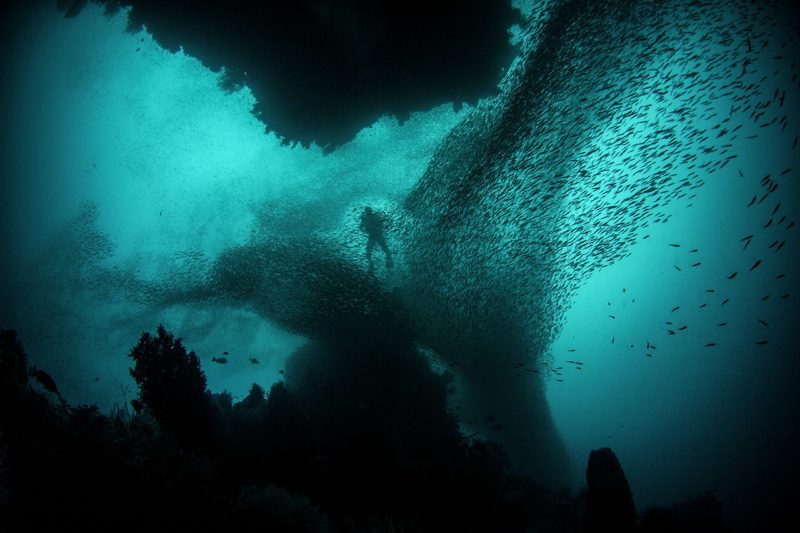
Other pioneers of undersea exploration, from Jacques Picard and Don Walsh, crew of the Trieste, to Sylvia Earle, champion of Hope Spots, and the team that discovered Ernest Shackleton’s Endurance, have long demonstrated the power of exposing the world to the wonders of the ocean. Unfortunately, these names and their feats are relatively unknown when compared to Armstrong and Aldrin and now Bezos, Branson, and Musk.
Instead of looking to the stars and wondering, “how can we escape?” what if we asked, “how can we improve our oceans and planet by returning to life underwater, at scale?”
After William Shatner’s 4-minute visit to space he reflected, “everyone in the world needs to have the understanding of what we are doing to the earth and the necessity of cleaning our earth.” And he’s right despite the unrealistic notion that space will be truly accessible any time soon. Captain Kirk’s brief trip shows that we’re asking the wrong questions. Instead of looking to the stars and wondering, “how can we escape?” what if we asked, “how can we improve our oceans and planet by returning to life underwater, at scale?”
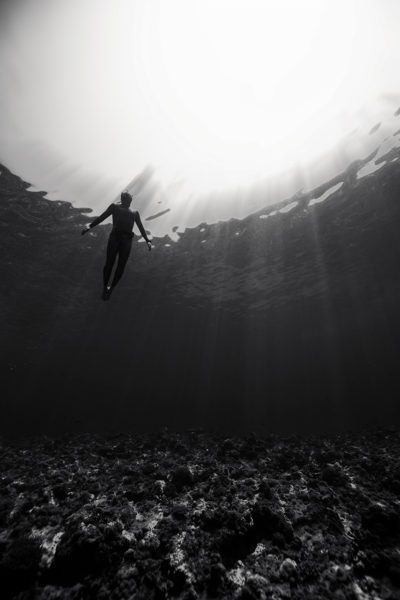
Imagine the awareness we could generate for challenges faced by an environment that covers over 70% of our planet, the passion we could produce if everyday citizens could book an “underwater AirBnB” in the open ocean and experience marine environments in their natural states. Initiatives like United Nations Sustainable Development Goal 14 (Life Below Water) might be a topic of discussion in more boardrooms and kitchen tables around the world.
What would it mean for our planet if we could improve our capacity to live in under space? Short term stays and the ability to dive for extended periods among coral reefs, seagrass beds, and kelp forests could accelerate the growth, effectiveness, and value of citizen science – one of NOAAs current Science & Technology Focus Areas. Underwater living also has the potential to transform reef restoration efforts and underwater clean-up and pollution mitigation efforts. It could offer a lever to continue to expand marine research for a larger number of students and academic researchers from communities most impacted by changes to climate and ocean.
Next time you hear about a space tourism flight to the edge of the atmosphere, ponder the question – “Live under the sea? Is that for me?” Hopefully, for some of us, the answer is yes.



Related Content

 9002
0
9002
0

 9366
0
9366
0

 8960
0
8960
0

Comments
Deep Dives
RECENT
 7740
0
7740
0
 13656
0
13656
0
 8124
0
8124
0
Editor's Picks
 10176
0
10176
0
 12198
0
12198
0
 9974
0
9974
0
Webinars
News & Events
Subscribe to our newsletter to receive updates about new Magazine content and upcoming webinars, deep dives, and events.
Become a Premium Member to access the full library of webinars and deep dives, exclusive membership portal, member directory, message board, and curated live chats.

Join our global community of systems-minded changemakers.
Subscribe to the Impact Entrepreneur newsletter for the latest insights, magazine features, and invitations to exclusive webinars, Deep Dives, and events.



0 Comments