Regenerative AI
The metaphysics, the machine, and the future of the Impact Economy



The metaphysics, the machine, and the future of the Impact Economy

 1261
1261
 0
0

What FLY paper reveals about the limits of bespoke financial tools
 1538
0
1538
0
Why reconnecting education, work, and opportunity matters
 1793
0
1793
0
Why investing with impact is no longer enough
2666
0

What Ramadan reveals about solidarity as economic infrastructure
 1402
0
1402
0
Rebalancing support between tech ventures and traditional SMEs in MENA
1615
0

 4481
0
4481
0
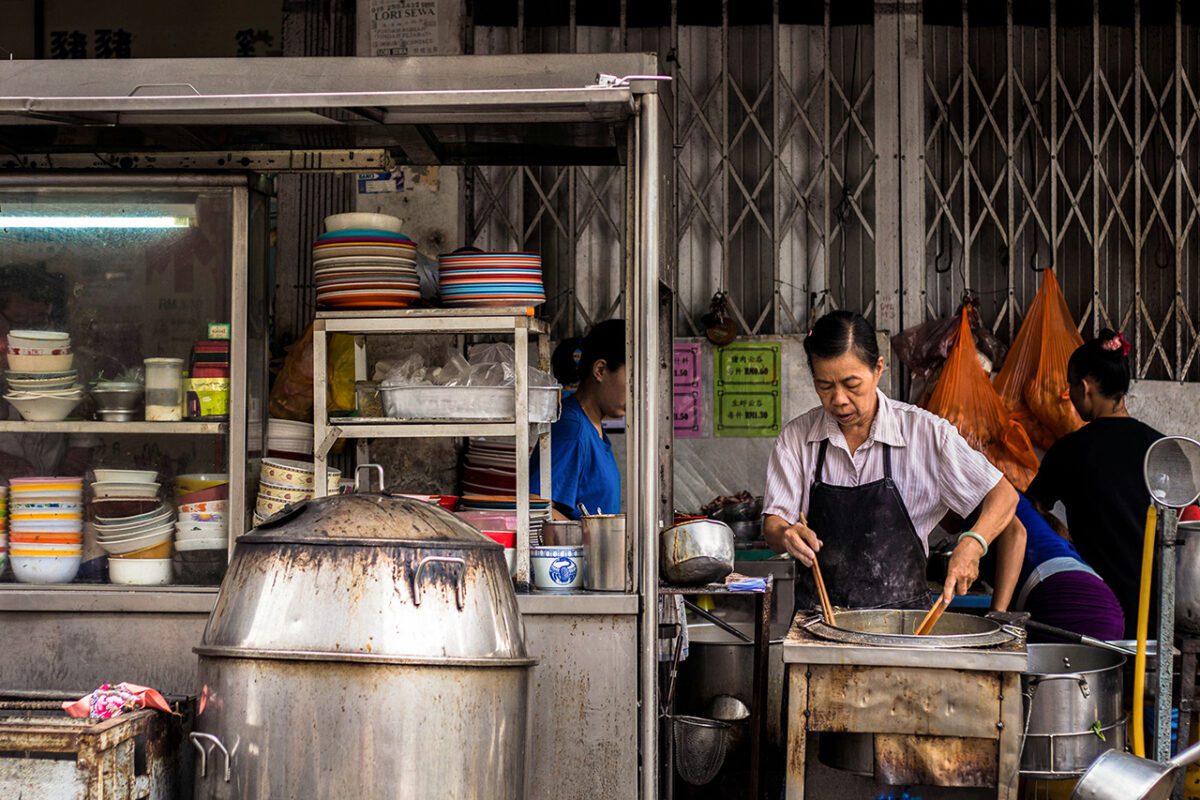
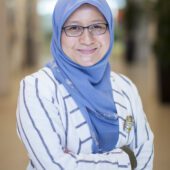
Pudu, Kuala Lumpur, Malaysia
Have you ever stopped to think about where the labels “developed” and “developing” actually came from? These terms, so often taken for granted in policy and academic discussions, have a particular — and revealing — history.
The Palestinian thinker Munir Fasheh traces this story back to 1949, when U.S. President Harry Truman made a strategic declaration dividing the world in two: the United States and Europe were “developed,” while the rest were labelled “developing.” This framing, both simplistic and hierarchical, dismissed the rich heritage, culture, and knowledge of civilizations such as China, India, Egypt, Africa, Palestine, and Mexico.
Truman’s declaration marked more than a rhetorical turn; it was a worldview shift. “Development” became not a shared human project but a hierarchy of expertise; one in which certain nations claimed authority to define progress for others. The result was a global architecture of aid and policy that turned cooperation into conditionality.
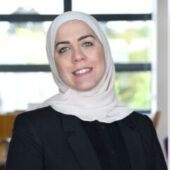
 Amman, Jordan
This legacy persists. The language of development continues to structure global relations, transforming what should be dialogue into designation. Its tensions — between progress as promise and progress as power — remain visible in many contexts, among them Jordan and Malaysia.
In Jordan, two intertwined dynamics define the lived experience of “development”: dependence on external funding and the neoliberal logic embedded in much of it.
External aid and multilateral financing provide vital lifelines but also create vulnerabilities. Projects often become tethered to donor cycles, their sustainability shaped by shifting external priorities. Local organizations may find themselves adapting community initiatives to donor expectations rather than to local realities. Sovereignty is eroded not only through economics but through imagination — when the power to define “progress” shifts outward.
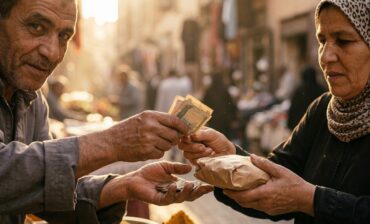
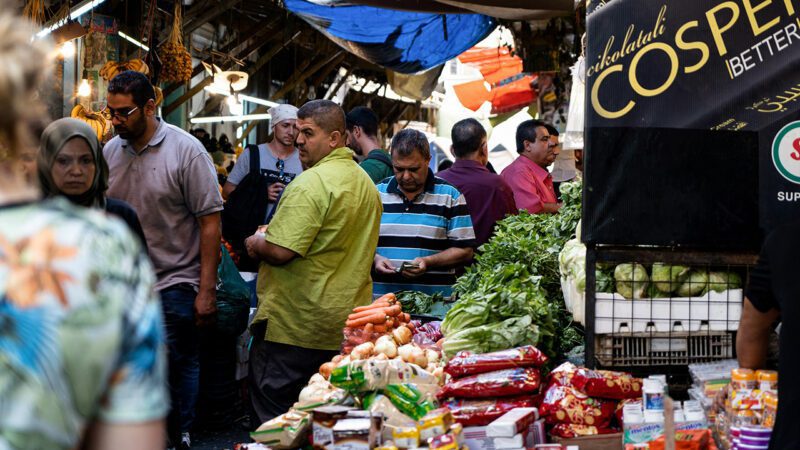 Amman market, Jordan
The second dynamic lies in the market logic infused in aid frameworks: efficiency, entrepreneurship, and measurable outcomes. These aims can be valuable — but when applied without cultural context, they privilege start-ups and business models over older, community-rooted practices of solidarity and mutual care.
The language of social entrepreneurship illustrates this paradox. It is often introduced as a universal model of empowerment, yet it can function as a vehicle of policy transfer — shaping not only which problems are recognized but what kinds of solutions are deemed legitimate. In reality, social impact has long been embedded in everyday life through Islamic principles of ummah and through informal systems of mutual aid at the family, tribal, and neighborhood levels.
Jordan and Malaysia both live within the linguistic inheritance of “development.”
When donor-funded entrepreneurship programs adopt buzzwords but ignore these deeply rooted traditions, they risk imposing frameworks that communities have, in essence, already practiced for centuries. The result is a quiet irony: communities that have sustained one another through zakat, waqf, and collective giving are now being “trained” to learn social innovation anew.
 Photo by Jan Simons
In Jordan, the very language of development shapes not only funding flows but the moral imagination of progress. What is needed is an approach that co-creates — not imposes — an ecosystem for social impact, one grounded in sovereignty, culture, and the region’s own traditions of solidarity and care. By reclaiming and amplifying these practices, Jordan can move from dependency toward authorship.
Malaysia occupies a different place within this shared lexicon of development. Often described as an emerging economy, it has sought not to reject global frameworks but to reinterpret them through local ethics.
Its Islamic finance ecosystem — connecting zakat, waqf, and social investment — channels resources into welfare and entrepreneurship, tying growth to redistribution and responsibility. A strong example is The Sadaqa House, which blends modern financial innovation with religious giving to support social enterprises and education.
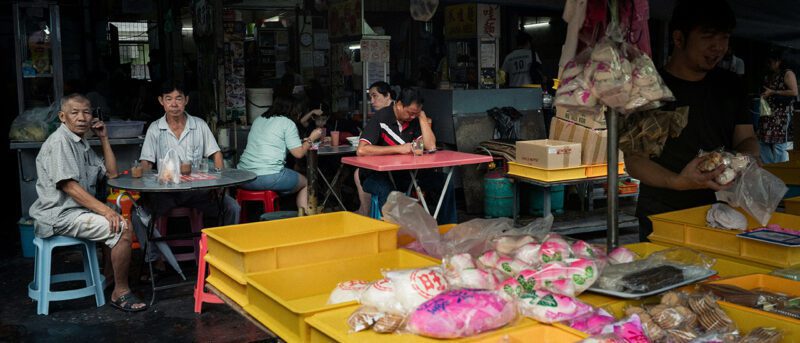 Malasyan Market
Alongside these formal mechanisms, the ethic of gotong-royong endures as a living practice of cooperation that keeps community at the center of progress. It embodies the belief that shared responsibility is not secondary to development but one of its foundations.
For Malaysia, the challenge is not to replace local systems with global ones but to recognize how its own models of social finance and cooperation already embody the principles of sustainable development. International frameworks, when engaged wisely, can strengthen what already works rather than overshadow it.
In this sense, Malaysia’s engagement with global institutions is less imitation than translation, a way to render local wisdom legible to global discourse. This reframing signals a quiet form of resistance: localization not as adaptation, but as conceptual authorship, where nations define progress in their own ethical language.
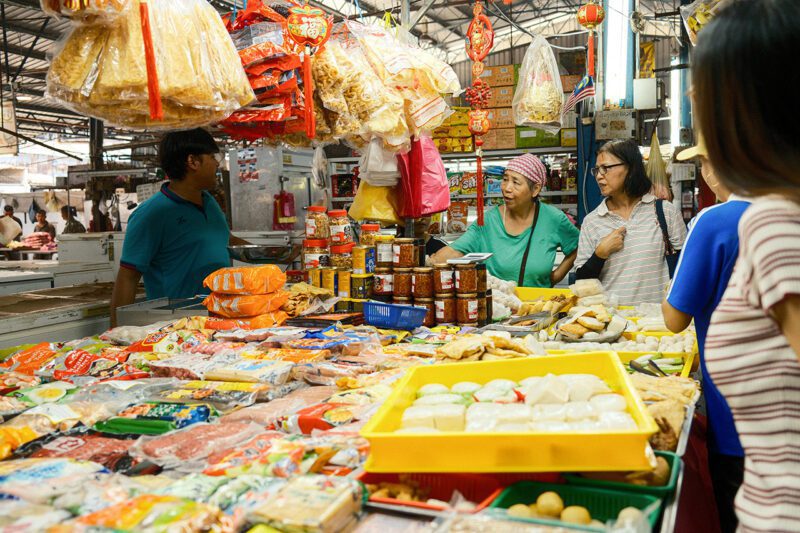 Jelutong, Penang, Malaysia
Jordan and Malaysia both live within the linguistic inheritance of “development.” Jordan reveals how dependence and conditionality can limit agency; Malaysia shows how inherited frameworks can be reinterpreted through culture and moral economy. Together, they remind us that the power of words lies not only in how they describe the world, but in how they direct action within it.
This challenge extends beyond semantics to funding itself. As Gigi Aulsebrook argues in Rethinking Aid: The Risks of Reliance on State Funds (2025), state-financed aid often reproduces the very hierarchies it claims to dismantle, turning assistance into an instrument of control rather than solidarity. Her call for community-rooted, impact-led, and diversified financing resonates strongly here.
For both Jordan and Malaysia, the lesson is not about choosing between models but about reclaiming the meaning of progress from within. The true work of “development” begins with listening: co-creating definitions, re-grounding finance in ethics, and rediscovering the cultural practices that sustain life and community.
If Jordan warns against external control, Malaysia illustrates how reinterpretation can become resilience. Together, they point toward a future of development that is dialogical rather than hierarchical — one where engagement with global frameworks becomes a conversation among equals, not a lesson handed down.

Related Content
Abrupt UK cuts threaten coastal resilience, food security, and community-led adaptation
 1116
0
1116
0
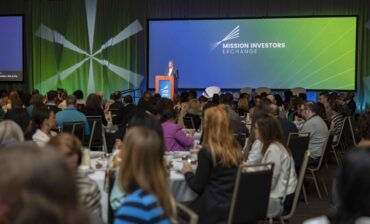
At MIE 2026, investors reframed risk as a tool for scale, resilience, and courage
 1025
0
1025
0

Local economies as a bulwark against cross-border extraction and violence
 1091
0
1091
0

An introduction to our new magazine department from the Editors
 1047
0
1047
0
Comments

Deep Dives
RECENT
 2666
0
2666
0
 1402
0
1402
0
 1615
0
1615
0
Editor's Picks
 4161
0
4161
0
 7111
0
7111
0
 12927
0
12927
0
 1261
0
1261
0
 1538
0
1538
0
 1793
0
1793
0
Webinars
News & Events
Over $200k to six or more winners will be awarded

$22 Million raise is democratizing investment in community wealth building
Subscribe to our newsletter to receive updates about new Magazine content and upcoming webinars, deep dives, and events.
Become a Premium Member to access the full library of webinars and deep dives, exclusive membership portal, member directory, message board, and curated live chats.

Join our global community of systems-minded changemakers.
Subscribe to the Impact Entrepreneur newsletter for the latest insights, magazine features, and invitations to exclusive webinars, Deep Dives, and events.


0 Comments