The Global EV Transition
How electrification, policy, and overproduction are reshaping mobility


How electrification, policy, and overproduction are reshaping mobility

 2593
2593
 0
0

How Islamic Philanthropy is redefining impact capital in Indonesia
 3019
0
3019
0

Reimagining philanthropy in India’s Impact Economy
 2545
0
2545
0

Disability access, institutional design, and Thailand’s 2026 election
 2273
0
2273
0
What it will take to electrify Africa at scale
 1791
0
1791
0

 3583
0
3583
0

 3207
0
3207
0
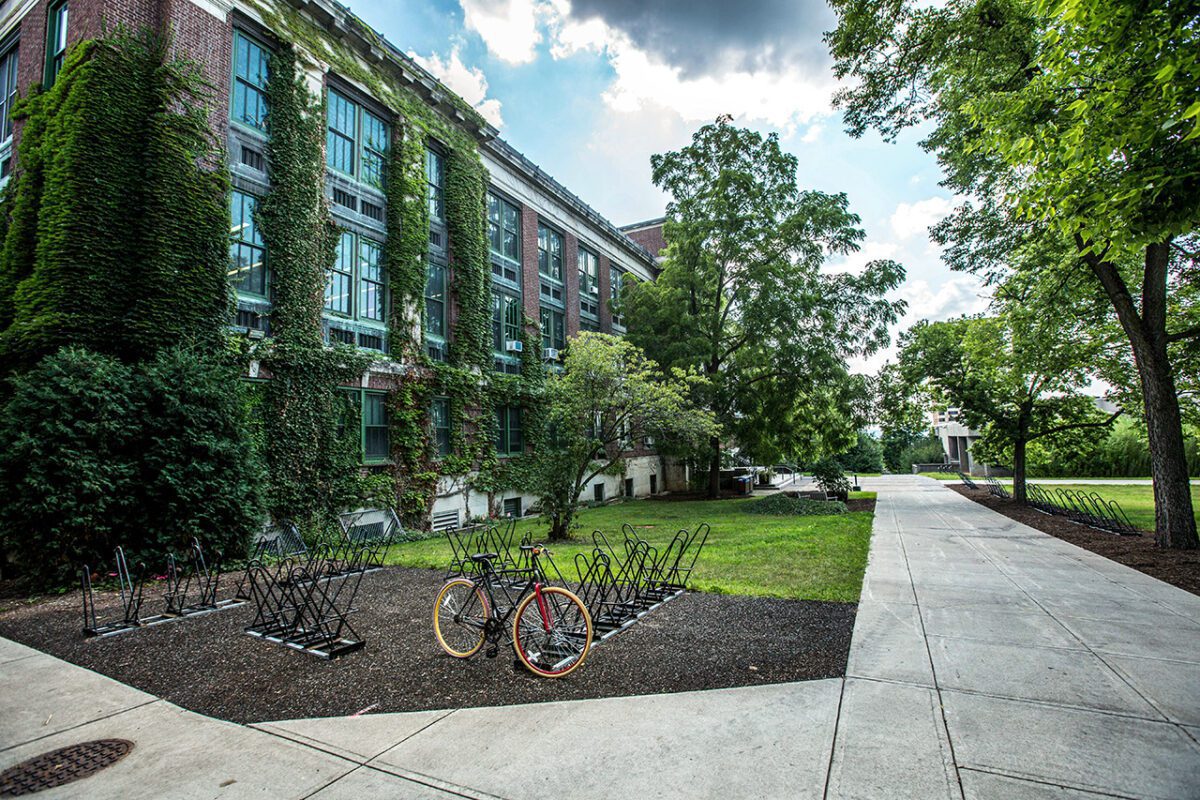
Investing in climate-ready school infrastructure can protect education and deliver lasting financial and social returns.
As climate change accelerates, disasters are becoming more frequent and severe. Most impact funds focus on recovery — financing relief and reconstruction after disasters occur — rather than investing in prevention. Yet preparedness often yields greater long-term returns than recovery. Nowhere is this more evident than in schools, where resilient infrastructure can prevent costly closures, protect health, and safeguard education for millions of children.
Children spend roughly 30 hours a week in school buildings. When schools in climate-vulnerable regions face extreme weather, outdated infrastructure often leads to temporary or even permanent closure. Poor insulation, inadequate ventilation, and fragile energy systems not only disrupt learning but also pose significant health risks.
Rising temperatures and carbon dioxide levels directly affect cognitive performance and attention. In heat-stressed classrooms, exam scores and memory retention decline; where ventilation is poor, students’ ability to concentrate suffers. Well-insulated, energy-efficient buildings not only reduce emissions and operating costs but also maintain healthier indoor environments that support learning.
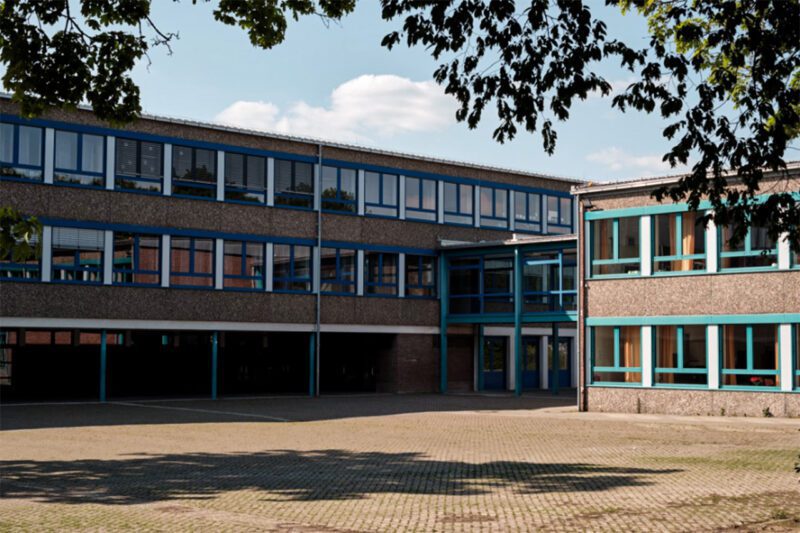
Beyond health and performance, every closure exacts a heavy social and economic toll. Updating HVAC, waste, and water systems to withstand climate shocks can help ensure continuity of education, particularly in lower-income communities most vulnerable to climate events.
When schools close, the losses ripple far beyond the classroom. Students fall behind, parents miss work, and communities absorb the economic cost of recovery. In lower-income areas, where schools already face funding shortages, rebuilding after a disaster often depends on federal or philanthropic relief — a reactive, inefficient model.
Green architecture is rapidly becoming a cornerstone of resilient education.
For instance, school closures resulted in an economic loss of $2 trillion during the COVID-19 pandemic.
Beyond this staggering figure, the financial burden on families and communities is immediate and severe. For example, a study on the 2015 flash flood in Richland County, South Carolina, revealed an average of $437 in lost productivity per household due to school closures. For the 31% of households directly impacted, this meant an average loss of $1,430 over just two weeks, with parents missing an average of 37 hours of work. This impact is particularly acute for the 20% of households with a single adult, who may face a complete loss of income during these periods.
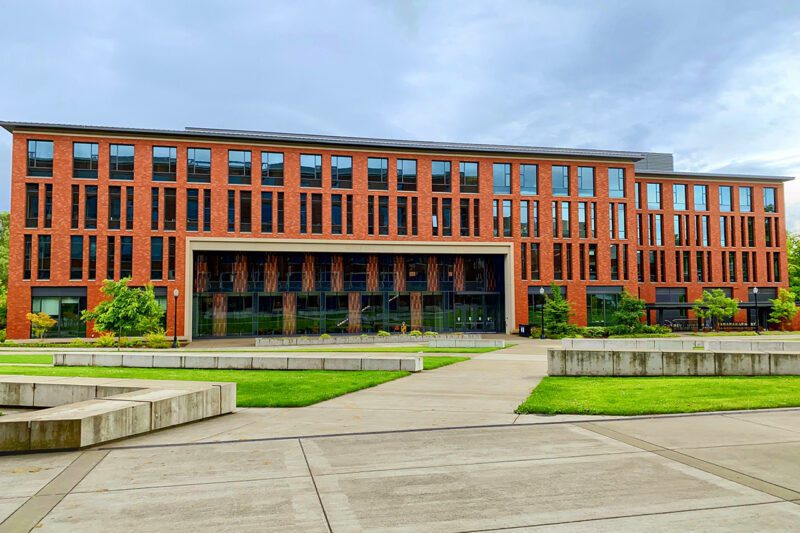
The broader economic toll is equally significant. Closing schools for just four weeks can cost between $140 and $630 per student — potentially millions for larger districts. A one-week closure in a city like Washington D.C. could cost between $4 million and $18 million. For example, electrical surges or flooding can permanently damage outdated HVAC systems, requiring expensive replacements. Meanwhile, parents forced to stay home with children lose wages, and sometimes their jobs, during extended closures.
Investing in resilience up front can dramatically reduce these cascading costs. Studies show that hazard mitigation saves $6 for every $1 invested, a compelling return that transforms disaster preparedness from a cost center into a strategic investment opportunity.
Disaster-resilient school infrastructure represents a significant but underdeveloped market for impact investors. Retrofitting schools with renewable energy systems, efficient insulation, and advanced waste and water technologies aligns with both financial and social return objectives.
Emerging sectors such as biotech waste management, sustainable construction, and climate-resilient architecture offer promising opportunities for blended finance, green bonds, and other forms of catalytic capital. As climate impacts intensify, demand for these solutions will grow — and early investors stand to benefit from scalable, mission-aligned growth.
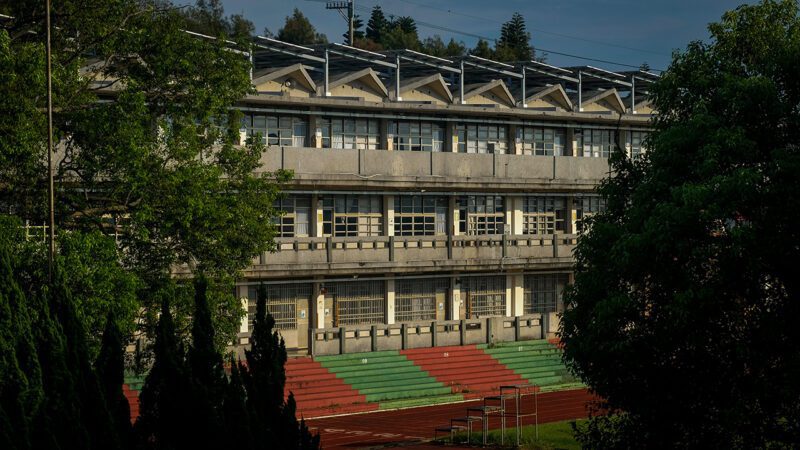
Market momentum is already building. The Equitable Facilities Fund, backed by the Walton Family Foundation, recently issued $100 million in bonds specifically to support public education facilities, demonstrating that specialized impact capital is flowing into school infrastructure. Similarly, New York City's green bond program allocated $4 billion toward retrofitting public schools and government buildings, showing how municipalities are leveraging capital markets for resilient infrastructure investments.
For schools, renewable systems like solar panels and wind turbines can lower energy costs and provide backup power during grid outages. Better insulation protects structures, conserves energy, and keeps classrooms functional through extreme weather. Sustainability initiatives — such as composting or recycling programs — also help instill environmental stewardship in the next generation.
Green architecture is rapidly becoming a cornerstone of resilient education. Many schools are integrating gardens, solar fields, and wind installations into their campuses, creating living laboratories for sustainability. These projects reduce operational costs, enrich the environment, and provide tangible lessons about climate and systems thinking.
Disaster-resilient school infrastructure represents a significant but underdeveloped market for impact investors.
Proper insulation further supports resilience — retaining heat or cool air, reducing noise, and preventing mold or mildew. Such measures save energy, enhance well-being, and prolong the lifespan of school facilities.
Local contractors and builders play a critical role in realizing these projects. Their relationships within communities help build trust, reduce opposition, and ensure that investments respond to genuine local needs. Local expertise also supports long-term maintenance and accountability — reinforcing the social capital that underpins true resilience.
Engaging local contractors and workforce development initiatives not only strengthens community stability but also aligns with the goals of inclusive growth central to the Impact Economy.
Disaster-resilient schools are a missed opportunity for impact funds seeking measurable, long-term outcomes. Shifting investment from post-disaster recovery to pre-disaster resilience could yield high returns — financial, social, and environmental alike.
As climate-related risks escalate, the education sector presents an ideal proving ground for systemic, multi-stakeholder solutions. Investing in resilient schools is not simply an act of philanthropy; it is an investment in future stability, community prosperity, and human potential.


Related Content

How narrow strategies are helping ventures survive volatile ecosystems
 1793
0
1793
0

Institutional amnesia and the regenerative correction
 1963
0
1963
0

What happens when adoption outruns safeguards and governance
 1984
0
1984
0

How frugal systems reshape power, capital, and scale
1519
0
Comments

Deep Dives
RECENT
 2273
0
2273
0
 1791
0
1791
0
 3583
0
3583
0
Editor's Picks
 2593
0
2593
0
 3019
0
3019
0
 2545
0
2545
0
Webinars
News & Events
Subscribe to our newsletter to receive updates about new Magazine content and upcoming webinars, deep dives, and events.
Become a Premium Member to access the full library of webinars and deep dives, exclusive membership portal, member directory, message board, and curated live chats.

Join our global community of systems-minded changemakers.
Subscribe to the Impact Entrepreneur newsletter for the latest insights, magazine features, and invitations to exclusive webinars, Deep Dives, and events.





0 Comments