Can the New SDG Management Standard Change Business Decisions?
Whose evidence counts


Whose evidence counts

 51
 0
The emerging movement to reshape capitalism using purpose-driven M&A
 83
0

Connecting Georgia’s social enterprises to markets and capital
 121
0

Why free education tools need reliable access, credible evidence, and lasting support
 512
0

What Islamic finance and impact investing can learn from each other
 516
0

After the flood, recovery capital must do more than replace what was lost
 447
0
 6146
0
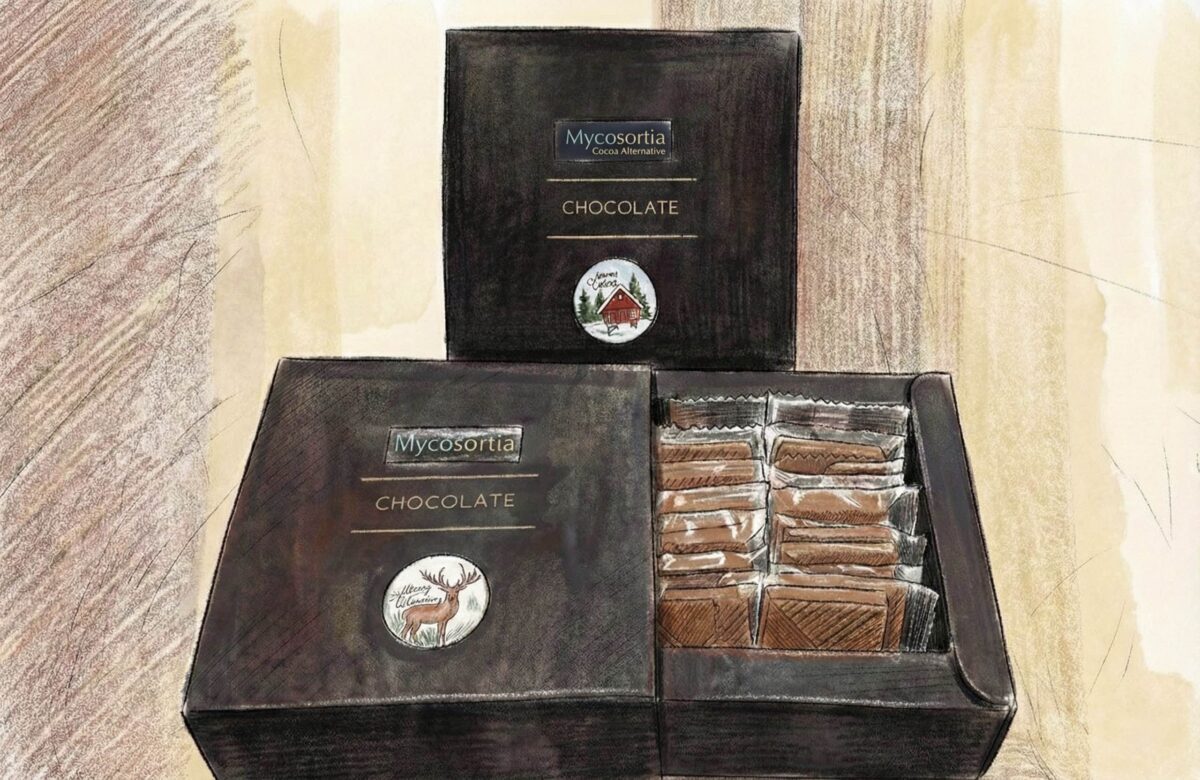
Illustration of Mycosortia Cocoa Alternative Chocolates
As climate change and disease squeeze global cocoa production, Singapore-based Mycosortia is using AI-enabled fermentation to create high-end, cocoa-free chocolate from okara and other circular inputs — a surprising new pathway to food-system resilience.
Amid a global decline in cocoa production — driven by climate change, disease, and supply-chain volatility — a Singapore-based startup is offering a surprising alternative. Mycosortia is using AI-enabled fermentation to create high-end, cocoa-bean-free chocolate that has received strong early reviews. The company’s approach replaces cocoa with food waste inputs, addressing both climate resilience and circular economy challenges in the global food system.
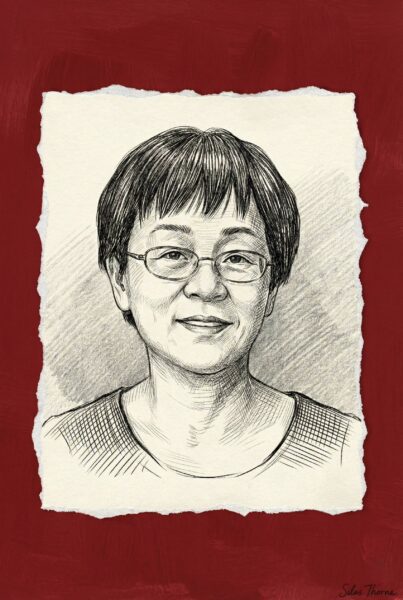
Anli Geng, founder of Mycosortia
Mycosortia begins its chocolate-making process by sourcing okara, a fibrous byproduct generated by tofu and soymilk manufacturers. “We chose to work on okara,” said founder Anli Geng, “because it contributes to global warming.” In Singapore alone, roughly 30 tons of okara are produced daily and are typically discarded or exported to Malaysia for animal feed.
Researchers at Republic Polytechnic note that reuse of okara for human consumption has historically been limited due to its high level of indigestible fiber and low palatability. Mycosortia addresses those constraints through fermentation, combining okara with beans and other ingredients to create chocolate-like flavor profiles.
The fermentation process mirrors traditional cocoa fermentation. “We use a mixed culture of microbes so we can create a broad range of flavor precursors,” Anli explained. After fermentation, the mixture is roasted, transforming those precursors into the flavor compounds associated with chocolate.
Reproducing the complexity of chocolate flavor without cocoa turns out to be a highly multidimensional problem. “If you want to emulate chocolate flavor,” Anli said, “you need to test hundreds or even thousands of compounds with multiple feedstocks.”
Flavor outcomes depend on numerous interacting variables, including temperature, time, pH, microbial cultures, and ingredient sequencing. “Fermenting for 24 hours versus 36 hours gives completely different results,” Anli noted. “Mixing ingredients before roasting versus after roasting also changes the flavor. There are many parameters.”
To navigate that complexity, Mycosortia conducted hundreds of experiments, tasting each result and feeding the data into an AI model. Once trained, the system began recommending ingredient combinations and processing conditions that consistently produced desirable flavor profiles.
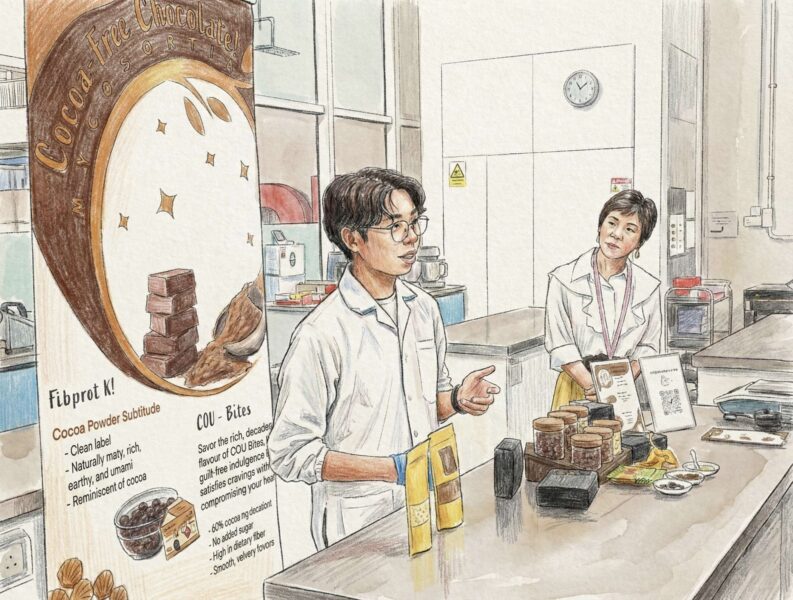
Team Members Promoting Mycosortia Cocoa Alternative Chocolates
While AI is often associated with automation or cost reduction, in this case it functions as a learning engine — accelerating experimentation and helping the team converge on viable formulations that would otherwise require years of trial and error.
Mycosortia relies on solid-state fermentation technology, which is widely used in food production and already supported by established equipment suppliers. That choice allows the company to scale production through third-party manufacturers rather than investing immediately in proprietary facilities.
By transforming food waste into a premium consumer product, Mycosortia addresses multiple systemic challenges at once.
The company currently collaborates with a production partner in China and a soy sauce manufacturer in Singapore. Only when demand reaches a higher threshold does Mycosortia plan to invest in its own equipment. The company aims to scale production to 50 tons per year by 2028, with further expansion driven by market demand.
Mycosortia sells directly through its website to test consumer acceptance and gather feedback. Early responses have been encouraging.
Interest from commercial partners has followed. A company in China has proposed incorporating its own ingredients into Mycosortia’s chocolate for the Chinese market — a project that would mark the company’s first paid collaboration. A Japanese consultant has also expressed interest in purchasing and reselling the product to clients in Japan.
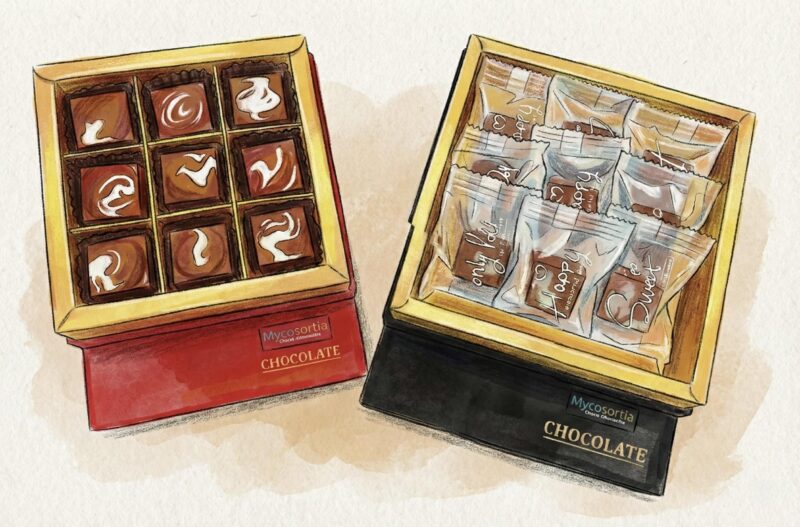
Mycosortia Cocoa Alternative Chocolates
At Singapore International Agri-Food Week in November 2025, investors and industry participants responded positively. One investor told Anli that Mycosortia’s product was the best chocolate alternative they had tasted.
The company is also running unpaid pilots with major food manufacturers including Glico, Wilmar, Givaudan, and Barry Callebaut. These firms are primarily interested in chocolate powder rather than finished candy. While Mycosortia can produce powder, margins are significantly lower — roughly US$6 to US$10 per kilogram compared to approximately US$100 per kilogram for chocolate candy — and scaling powder production presents additional challenges.
For now, Mycosortia plans to focus on a B2B2C model, producing customized chocolate products for partner brands to sell to end consumers.
The underlying fermentation and AI platform has applications beyond chocolate. Mycosortia originally developed dairy alternatives, including a cream cheese prototype that was well received. The company pivoted toward chocolate due to its longer shelf life and stronger commercial potential, but Anli noted that cheese production could resume quickly if demand emerges.
By transforming food waste into a premium consumer product, Mycosortia addresses multiple systemic challenges at once: reducing waste, easing pressure on climate-vulnerable cocoa supply chains, and demonstrating how AI can support — rather than replace — biological production processes.
For now, chocolate remains the company’s focus. But the broader implication may be a model for how fermentation, AI, and circular inputs can help rebuild resilience across food systems facing climate disruption.


Related Content
Whose evidence counts
51
0
The emerging movement to reshape capitalism using purpose-driven M&A
83
0
Connecting Georgia’s social enterprises to markets and capital
121
0
Gabriel Grant on giving shareholders a way to express what matters to them
 125
0
Comments
Deep Dives
RECENT
 512
0
 516
0
 447
0
Editor's Picks
 51
0
 83
0
 121
0
51
0
83
0
51
0
83
0
121
0
Webinars
Signed and personally inscribed — you'll write the inscription as you order. Limited · 50…
News & Events

Each donor gets one vote, whatever the size of the gift

Most deals will run from $500,000 to $2 million

Aegon anchors the raise behind a $75 million partial guarantee
Subscribe to our newsletter to receive updates about new Magazine content and upcoming webinars, deep dives, and events.
Become a Premium Member to access the full library of webinars and deep dives, exclusive membership portal, member directory, message board, and curated live chats.


0 Comments