Adaptation Finance Must Put Coastal Communities in Control
Predictable grants and local control over budgets can help coastal communities sustain marine stewardship.


Predictable grants and local control over budgets can help coastal communities sustain marine stewardship.

 44
 0
Why prevention economics changes the math of SDG finance
 102
0
How culture shapes who benefits from AI
 115
0

For mission-led organizations, a change of manager tests whether workplace inclusion is built to last.
 207
0

Artist Rob Strati on inherited objects, the limits of market price, and the creative possibilities…
238
0
Counting what we fail to prevent, sixty seconds at a time
219
0
Upcoming Events
 44
0
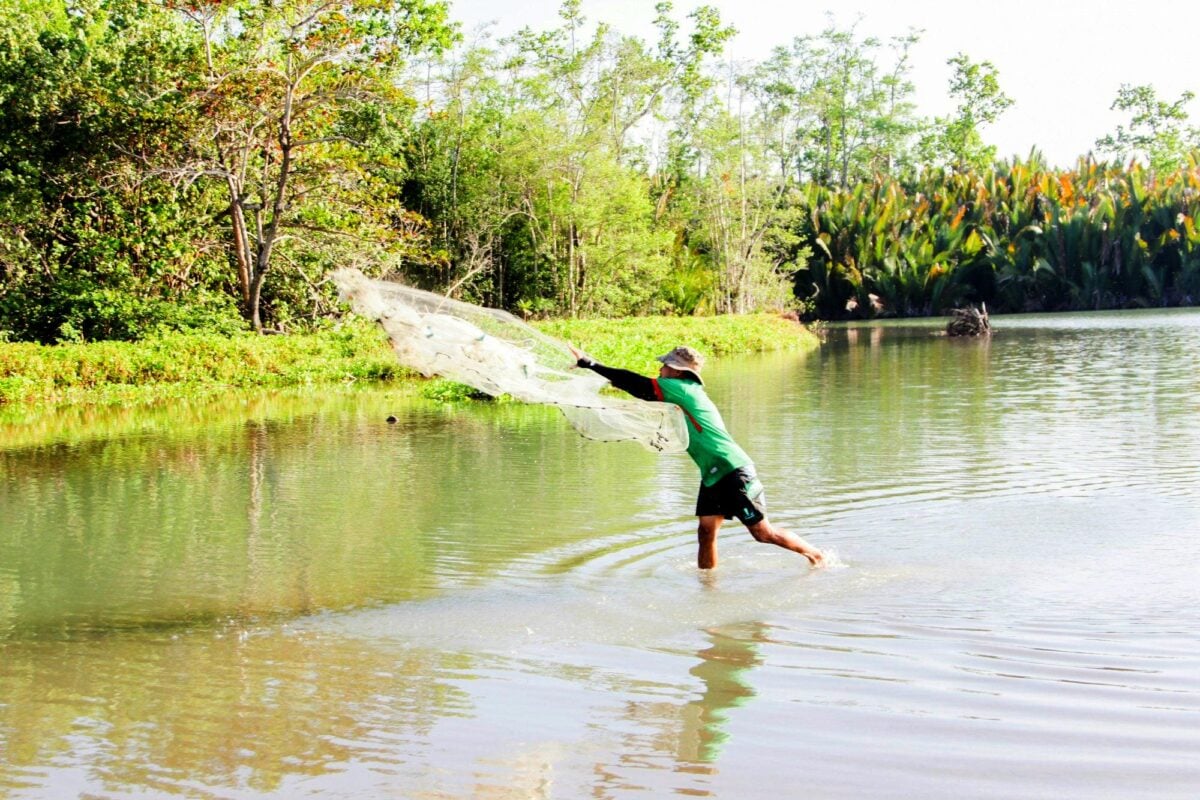
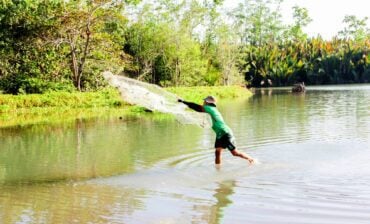
Sustained marine stewardship depends on the local institutions and financial resources that allow coastal communities to lead; Photo by Cymo Tome
Coastal communities are already protecting the ecosystems their livelihoods depend on. Drawing on experience in Timor-Leste and Madagascar, Ebrima Saidy argues for adaptation finance that covers local institutions, sustains routine stewardship and gives communities greater control over funding decisions.
In Ilimano, a coastal community in Timor-Leste, Tereza Da Cunha is helping show what locally led marine stewardship requires. As treasurer of the VSLA SANARAHIK Group and a member of a fisheries monitoring group, she takes part in an approach that connects conservation with greater household financial resilience.
That connection matters as COP31 turns to implementation. The Blue NDC Challenge launched its Implementation Taskforce on 17 November to help countries deliver their ocean commitments. A recent World Resources Institute analysis found ocean measures in 95% of the 108 coastal and island climate plans it reviewed. More than 60% of the ocean commitments depended at least partly on external support.
Coastal communities are already managing and restoring the mangroves, reefs and seagrass ecosystems that their livelihoods and climate resilience depend on. Their ability to sustain this work depends on finance reaching them on terms that give them meaningful control over how it is used.
In Timor-Leste, project grants support many conservation activities, including fisheries monitoring. Community-led stewardship carries ongoing costs between and beyond individual projects, from collecting fisheries data and monitoring ecosystems to maintaining local organisations.
The experience of Grupu Monitorizasaun Peskas (GMP), fisheries monitoring groups operating in several villages, demonstrates this challenge. Members are committed to collecting data and monitoring local marine resources, but many groups have struggled to secure sufficient finance to sustain these routine activities.
Monitoring depends on trained members travelling to landing sites, recording catches, maintaining equipment and sharing findings with the wider community. Short project cycles can leave gaps between grants, even though stewardship is a continuing responsibility.
Blue Ventures has supported GMP members to access a financial inclusion programme through Village Savings and Loan Associations (VSLAs). The VSLA SANARAHIK Group puts this approach into practice in the Ilimano area. As of November 2026, Blue Ventures had supported 17 savings groups across Timor-Leste, bringing together 256 members, including 190 women, with combined savings of about US$19,200.
As Da Cunha says, “Through the VSLA group, we learned many things, including how to manage money, accounting, record keeping and other skills.”
The savings have mainly helped households manage changes in fishing income, buy equipment such as nets and lamps, or invest in other livelihoods. That financial resilience can make it easier for members to participate in stewardship and reduce pressure to prioritise immediate income over longer-term resource management. Grant funding remains essential for recurring conservation costs such as data collection, monitoring equipment, travel and maintaining local organisations.
For funders, this means financing both the institutions that manage marine resources and the financial infrastructure that helps households take part in their stewardship.
GMP’s work illustrates why the terms attached to adaptation finance matter. With predictable funding, groups can collect reliable fisheries data, share it with communities and feed it into local decisions, including through Tara Bandu, Timor-Leste’s customary governance practices. This can give communities evidence to shape how local marine resources are managed.
Communities also need the authority and long-term finance to act on their knowledge. That means having a say in priorities, budgets and implementation, with funding that can respond when local circumstances change.
How funding is structured determines who can exercise that authority. Too often, local organisations must deliver predefined activities without being able to adjust budgets or cover the routine costs needed to sustain their work.
Funders must be prepared to relinquish some control over priorities and implementation.
Blue Ventures is moving towards partnerships in which local organisations lead. Through our Frontline Community Fund, we offer flexible funding that responds to partners’ priorities and locally identified needs, including through our newest partner in Timor-Leste, Luta ba Futuru.
Climate funds, donor governments, philanthropies and conservation organisations should provide multi-year, grant-based finance that covers routine monitoring and essential operating costs, helps local organisations retain expertise and lets them adjust budgets as needs change. Funders must be prepared to relinquish some control over priorities and implementation.
Blue Action Fund’s support for Blue Ventures in Madagascar’s Barren Isles illustrates the timescale such work requires. The grant runs from July 2022 to June 2027, supporting work on climate resilience, marine protection and coastal livelihoods. A five-year grant gives partners a longer planning horizon for sustaining this work.
As Markus Knigge, executive director of Blue Action Fund, puts it, “Coastal communities are partners rather than implementation contractors.” Giving that principle practical meaning requires funders to share control over priorities and allow local institutions time to develop.
The proposed Antalya-to-Addis Ababa Roadmap on Adaptation and Resilience Finance in the COP31 draft cover decision is an opportunity to advance this approach. The COP31 and COP32 Presidencies, together with climate funds and donor governments, should use the roadmap to advance predictable public finance and simpler access mechanisms for locally led adaptation.
At COP31 and beyond, adaptation finance should strengthen the institutions, financial resilience and decision-making power communities need to lead marine stewardship. The work in Ilimano shows how household finance can support participation. Sustaining that stewardship also requires grants that let local organisations plan, retain their expertise and act on their communities’ priorities.
Disclosure: The author leads Blue Ventures, whose programmes and funding partnerships are discussed in this article.


Related Content
Why prevention economics changes the math of SDG finance
102
0
How culture shapes who benefits from AI
115
0

At OFN42, leaders explored new ways to fund affordable community finance.
 127
0

Can impact investing’s flagship gathering become more than a meeting ground?
 146
0
Comments
Deep Dives

December 3 - 12:00 PM EST
RECENT
 207
0
 238
0
 219
0
Editor's Picks
 44
0
 102
0
 115
0
44
0
102
0
44
0
102
0
115
0
Webinars
Featuring
Amit Bouri
CEO & Co-Founder, Global Impact Investing Network
December 17 - 12:00 PM EST

Signed and personally inscribed — you'll write the inscription as you order. Limited · 50…
News & Events

Access to finance and the economic climate are the top barriers

Most have heard of social innovation; about a third understand it

A GIIN survey finds capital concentrated and confidence steady
Subscribe to our newsletter to receive updates about new Magazine content and upcoming webinars, deep dives, and events.
Become a Premium Member to access the full library of webinars and deep dives, exclusive membership portal, member directory, message board, and curated live chats.

While magazine articles are free to view for their first 10 days, you need to choose a membership option to continue using the site. Basic Membership is free. Premium Membership brings a host of rich offerings and collaborative opportunities.
Or LOGIN HERE if you are already a member.


0 Comments