How Cutting-Edge Science Can Solve the Looming Protein Crisis




 14468
14468
 0
0

 11065
0
11065
0

 9073
0
9073
0

Bridging the Gap
 8111
0
8111
0

 11012
0
11012
0

 11481
0
11481
0
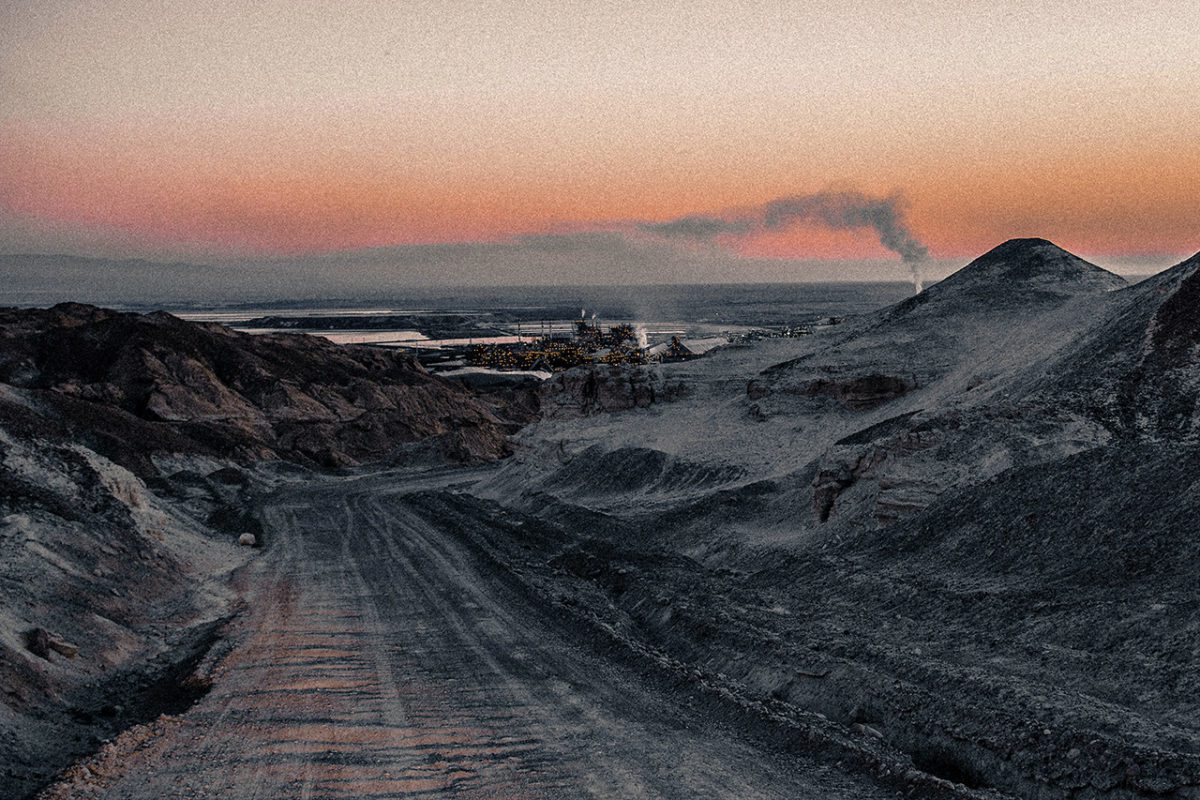
In recent years we have seen tremendous activity around corporate commitments to achieve carbon neutrality. This means a state of net-zero carbon dioxide emissions. It can be achieved by balancing the production of emissions with its removal, offsets, or by eliminating emissions from society in the transition to a "post-carbon economy" throughout global sectors, from energy production and transportation to agriculture and food systems.
Aside from a truly accommodative regulatory environment, to achieve the global energy transition for the next generation, a critical part of achieving “net zero” are the corporate pledges for carbon elimination, emissions reporting, and credible carbon offsets. Further, there is an urgent call for investors, both wealth owners and institutional investors, to demand and adopt new and scalable portfolio solutions. And we must see transparency and alignment with their investment objectives. Regarding the corporate efforts referenced above for reporting carbon in their full supply chain, we are indeed seeing serious regulatory efforts towards the disclosures on Scope 1,2, and 3 emissions.
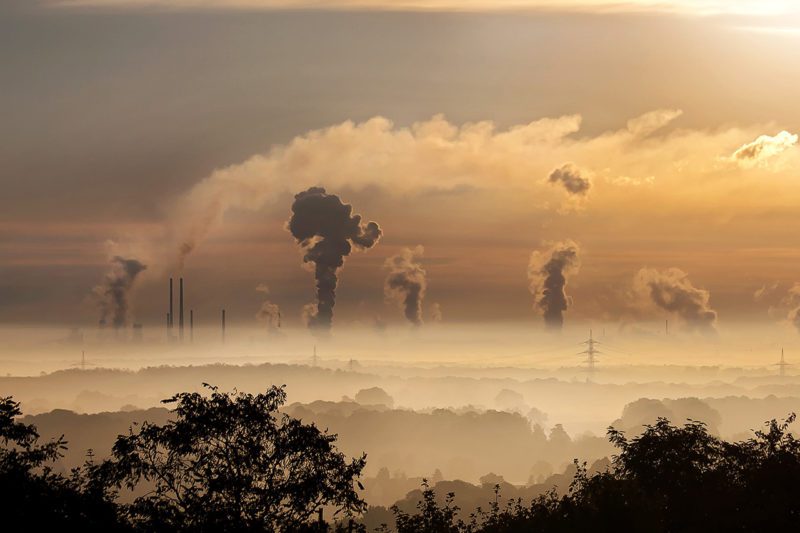
Simply put, this means corporate emissions from:
All of this work by corporates, regulators, and investors is tremendously important and constructive. But it’s not enough by far. Many of us would argue that, in reality, we do have the technology needed to address climate change in terms of carbon reduction, adaptation, resilience, and mitigation. The capital is also there. But do we have the force of will and the wisdom? Do we have a sense of the magnitude of the crisis and the urgency to be creative in battling a dystopian future where climate volatility will continue to escalate exponentially and contribute to an astonishing degree of human suffering, economic value destruction, and extreme geopolitical hazard?
The answer is “maybe.” What we really need is a Cambrian explosion of innovation to go beyond “carbon neutral”. We need to go beyond sustainability. We need to become a “carbon negative” society where we not only stop the destruction but repair what has been damaged. While it took tens of trillions of dollars to build the world’s fossil fuel-based energy infrastructure over the past century, it will take multiples of that to build a prosperous world order. The Cambrian moment we know from 500 million years ago, lasted for about 20 million years. We don’t have that kind of time.
What we really need is a Cambrian explosion of innovation to go beyond “carbon neutral”.
To begin to understand the magnitude of the challenge, we can consider a Climate Solutions Simulator by EN-ROADS. This is an effort of the MIT Sloan Sustainability Initiative and Ventana Systems to use the science that allows us to explore dozens of policies and hundreds of factors to gain the knowledge and understanding of scalable climate solutions. The big scare here is that, should we do nothing to mitigate the current path, the extent of climate change from our current course is catastrophic. And, should we effectively implement the solutions from the current strategies we have in renewables, carbon pricing, energy, efficiency, electrification, deforestation, carbon removal…we are stilling falling short. It’s not enough, by far.
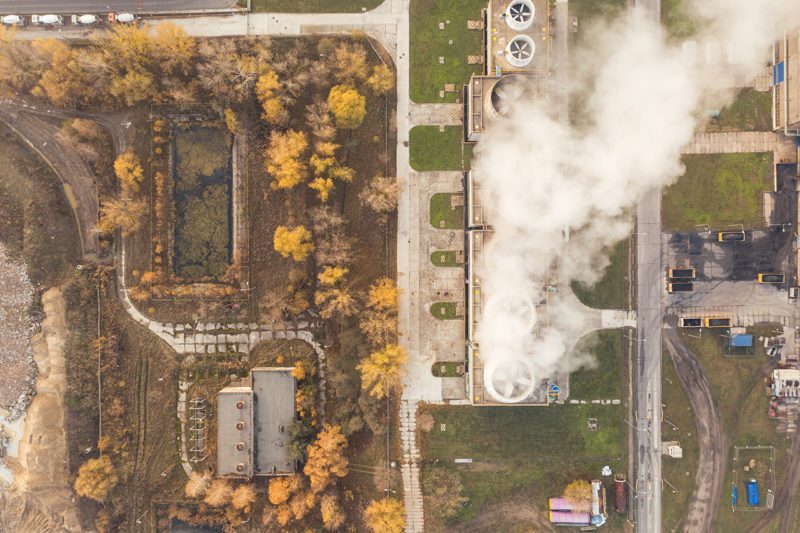
So, we need to begin getting a better understanding of the path to “carbon negative.” The Intergovernmental Panel on Climate Change (IPCC) highlights some new technologies and investors have seen some innovative products and services related to carbon removal. But we have disrupted the Earth’s climate cycle. As CO2 circulates through our ecosphere, the natural cycle within the atmosphere to the planet, water, plants, and other living beings, and then back into the atmosphere is damaged. We can fix it though. We can apply Circular Economy concepts to the energy supply chain like Redwood Materials does. We can move further and faster towards Direct Air Capture (DAC) like Carbon Engineering and Climeworks are doing with Microsoft’s support. We can do more in afforestation and Reforestation like the Lyme Timber Company, EFM Investments, and Forestland Group do. And we can educate ourselves on nuclear energy and the potential for nuclear fusion. And there’s nothing to lose by considering some more eclectic ideas like ocean de-acidification, geoengineering, and space bubbles to deflect solar radiation.
The bottom line is that we must do much more than the current trajectory implies. We are doing not enough, by far.
--
To learn more about this subject, read the newly released Thematic Investment Research Report published by Pathstone.


Related Content

Start early!
7469
0

Rethinking the reporting of waste
 12019
0
12019
0

Leveraging research-backed insights in the due diligence room
 12163
0
12163
0

The evolution of X-Press Feeders towards global impact
10159
0
Comments
Deep Dives
RECENT
 9073
0
9073
0
 8111
0
8111
0
 11012
0
11012
0
Editor's Picks
 14468
0
14468
0
 11065
0
11065
0
Webinars
News & Events
Subscribe to our newsletter to receive updates about new Magazine content and upcoming webinars, deep dives, and events.
Become a Premium Member to access the full library of webinars and deep dives, exclusive membership portal, member directory, message board, and curated live chats.

Join our global community of systems-minded changemakers.
Subscribe to the Impact Entrepreneur newsletter for the latest insights, magazine features, and invitations to exclusive webinars, Deep Dives, and events.


0 Comments